|
|||
| roman2
24.09.18 — 11:24 |
Интересная ошибка.
{ВнешняяОбработка.ТестВеб.Форма.Форма.Форма(12)}: Ошибка при вызове конструктора (WSОпределения) Вероятно не хватает прав. Но каких и на что? Есть знатоки? |
||
| Cool_Profi
1 — 24.09.18 — 11:33 |
403 Authorization required В локалке у тебя скорее всего доменная авторизация срабатывает. А из облака нужно руками логины-пароли вводить |
||
| roman2
2 — 24.09.18 — 12:41 |
Анонимная проверка подлинности включена. |
||
| Cool_Profi
3 — 24.09.18 — 12:43 |
(2) Ну так посмотри логи веб-сервера, что он там пишет |
||
| arsik
4 — 24.09.18 — 13:05 |
(0) Из облака через прокси? |
||
| roman2
5 — 24.09.18 — 13:16 |
(4) напрямую, без прокси. |
||
| Cool_Profi
6 — 24.09.18 — 13:16 |
(5) Что про (3) ? |
||
| roman2
7 — 24.09.18 — 13:20 |
(6) как глянуть логи? |
||
| roman2
8 — 24.09.18 — 13:26 |
Logging в иконках публикации. По указанному пути в фалах за сегодня нет ошибок. |
||
| roman2
9 — 25.09.18 — 13:38 |
Уважаемы спецы, второй день… |
||
| arsik
10 — 25.09.18 — 13:52 |
(0) Апач поставь и не мучайся. |
||
| roman2
11 — 25.09.18 — 14:21 |
(10) Апач не прокатит. Решение только на IIS. |
||
| Сияющий в темноте
12 — 25.09.18 — 14:38 |
Разверни на сервере статическую страницу и ломись на нее,очень похоже,что прокси чудит и требует авторизации,то есть до вашего сервера из облака запрос просто не дошел. |
||
| roman2
13 — 25.09.18 — 15:39 |
(12) админы как-то сделали, что сеть одна и в облаке и в офисе. Прокси тут нет |
||
| Сияющий в темноте
14 — 25.09.18 — 22:52 |
Раз перестало работать,возможно,что уже и не совсем одна,точне пакеты не все доходят. |
||
| Fram
15 — 25.09.18 — 22:57 |
(0) а откуда «терминал в облаке» (что имеется ввиду?) должен знать что это за сервер — msk-1-t ? |
||
|
roman2 16 — 26.09.18 — 15:31 |
(15) В облаке своя подсеть (сервера 1С, SQL, Терминальные). Как админы пробросили «ход» для пакетов я не знаю, но сеть прозрачная между облаком и офисной. |
 |
|
Основная теорема систематики: Новые системы плодят новые проблемы. |
ВНИМАНИЕ! Если вы потеряли окно ввода сообщения, нажмите Ctrl-F5 или Ctrl-R или кнопку «Обновить» в браузере.
Тема не обновлялась длительное время, и была помечена как архивная. Добавление сообщений невозможно.
Но вы можете создать новую ветку и вам обязательно ответят!
Каждый час на Волшебном форуме бывает более 2000 человек.
Пошаговая инструкция настройки web-сервисов для 1Сv8.3 и IIS 8.5.
Windows Server 2012 R2 Standard, 1С:Предприятие 8.3 (8.3.4.465)
Пошаговая инструкция настройки web-сервисов для 1Сv8.3 и IIS 8.5.
Windows Server 2012 R2 Standard, 1С:Предприятие 8.3 (8.3.4.465)
Следуя пошаговой инструкции, опубликованной в статье //infostart.ru/public/75205/ для предыдущих версий IIS, произвел настройку вышеуказанной связки. Нижу привожу обновленную инструкцию.
1) Установка IIS выполняется стандартными средствами. Набор достаточных компонент приведен на скриншоте.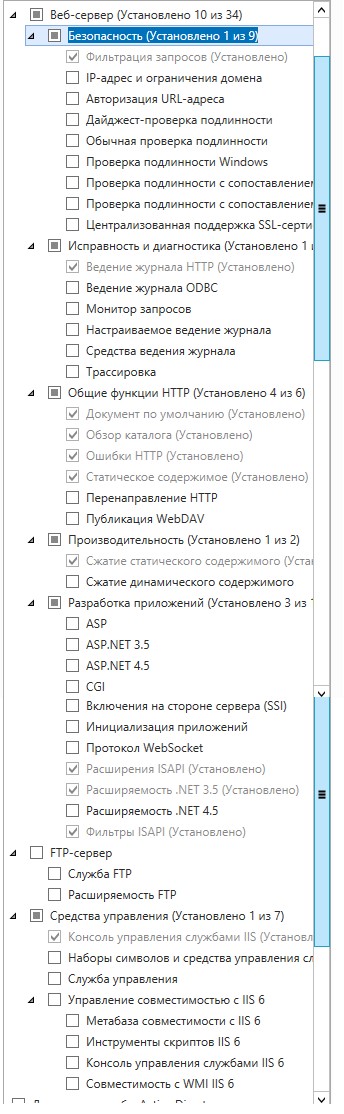
2) Создаем папку на web сервере. В моем случае 1С.
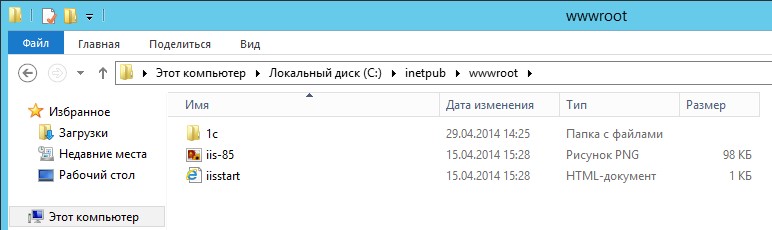
3) Публикуем сервис из 1С. Администрирование -> 1С -> Конфигуратор -> Администрирование -> Публикация на Web-сервере.
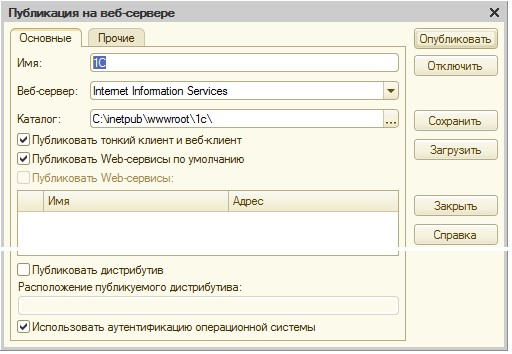
Содержимое.
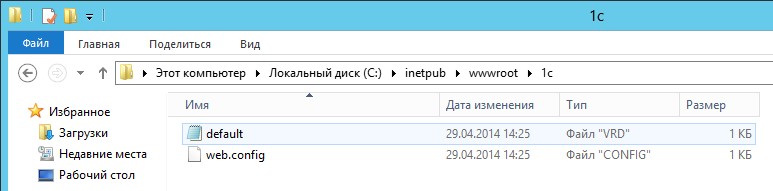
4) Зададим права для обработчика web-сервисов 1С. Права на запуск (Выполнение) модулей добавляются для группы IIS_IUSRS на папку
C:Program Files (x86)1cv88.3.4.465in.
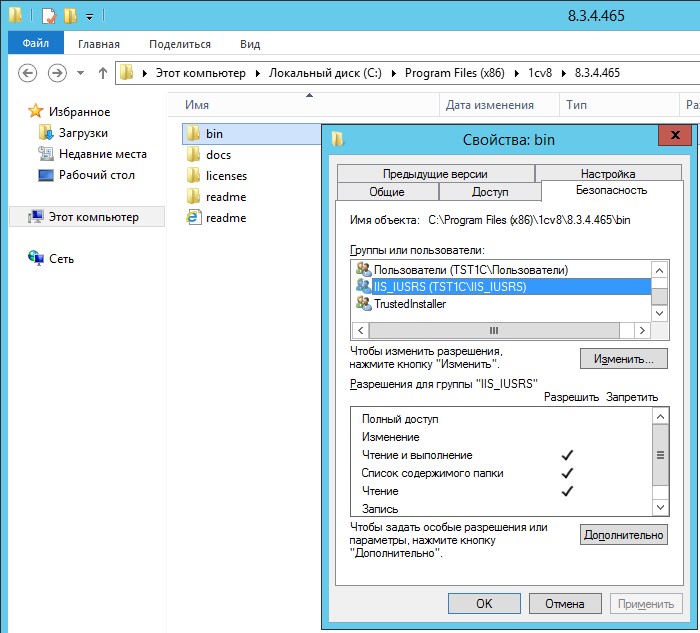
5) Если база файловая, нужно добавить права на изменение (Изменение) на папку и подпапки базы для той же группы.
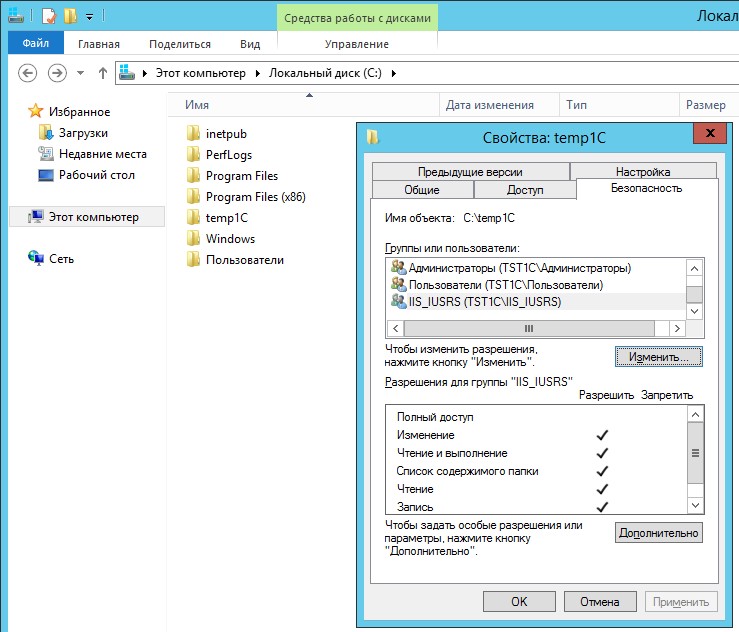
6) В консоли IIS. Кликаем правой кнопкой мыши на строку с созданной нами папкой. Преобразовываем её в приложение.
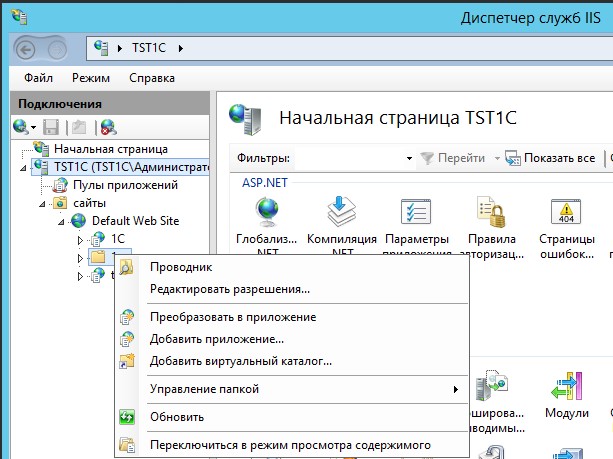
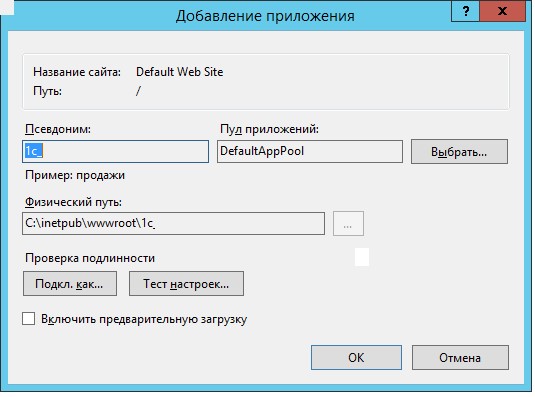
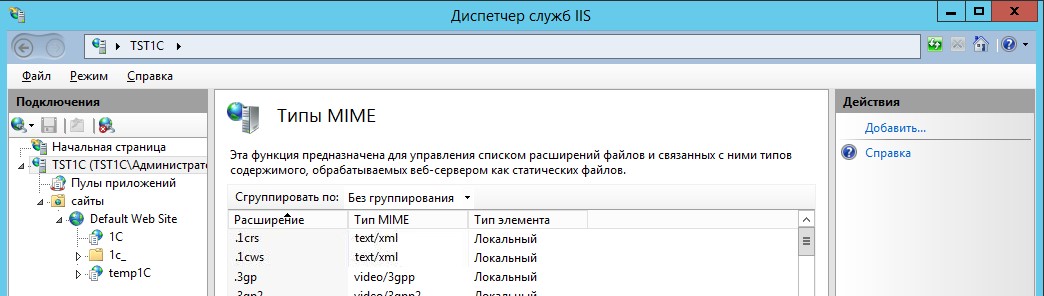
7) Добавляем MIME типы 1С. Делать это можно для сервера или для сайта, или для папки. Наследование присутствует.
8) Добавляем настройки для обработки файлов 1С. На вкладке Сопоставление обработчиков добавляем скрипты (не скрипты со звездочкой) для каждого расширения -«*.1cws» и «*.1crs».
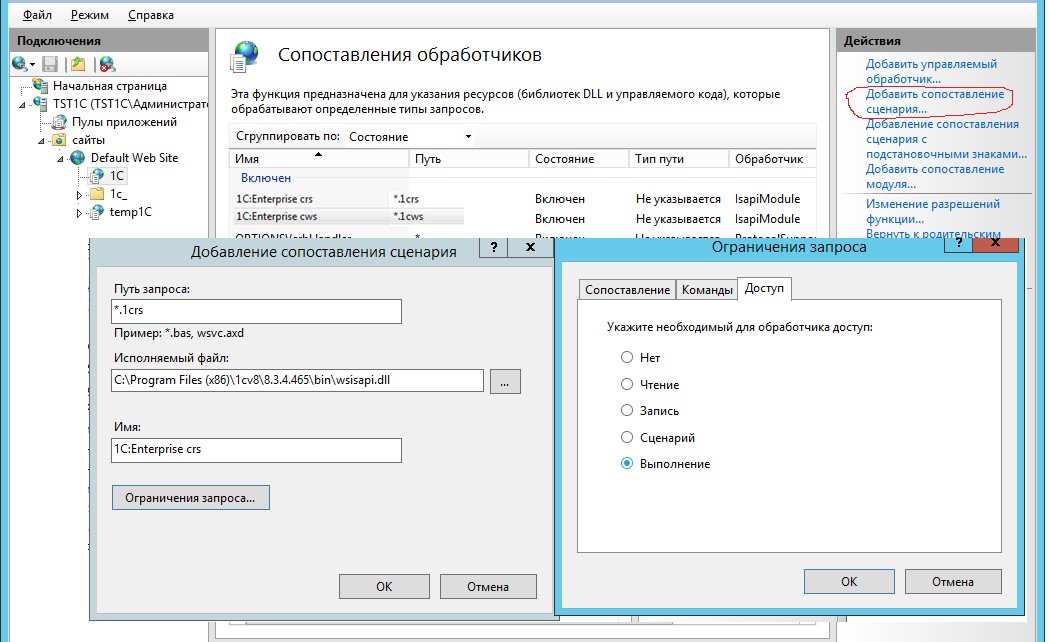
Имена любые. Главное — для каждого расширение отдельное правило! Ограничения запроса -> Доступ -> Сценарий или Выполнение.
9) Для обработчиков нужно задать дополнительные параметры (Edit Feature Permission). Установить флаги запуска скриптов и приложений.
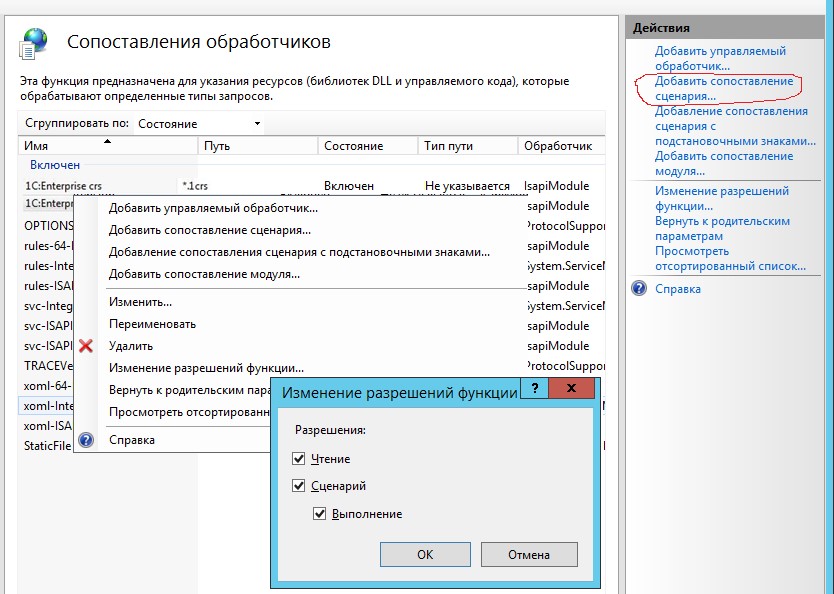
10) Можно проверить наличие обработчика web-сервисов 1С на вкладке ISAPI and CGI Restrictions для сервера.

Так как установка идет в 64 разрядном окружении, то для обработчика нужно включить режим Пулы приложений -> DefaultAppPool -> Дополнительные параметры -> Разрешены 32-разрядные приложения ->True.
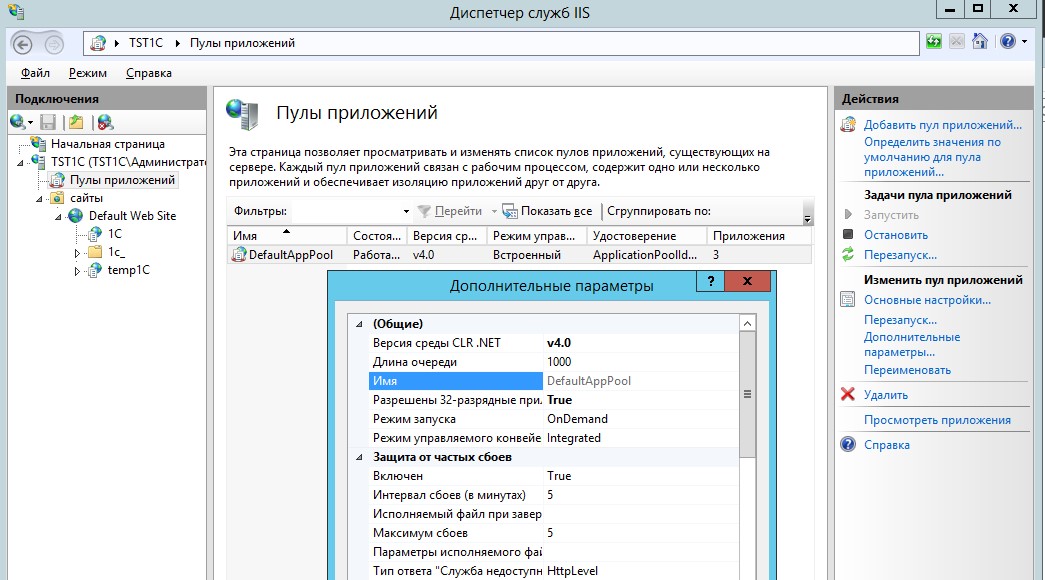
11) Обращаемся по адресу http://localhost/1C/.
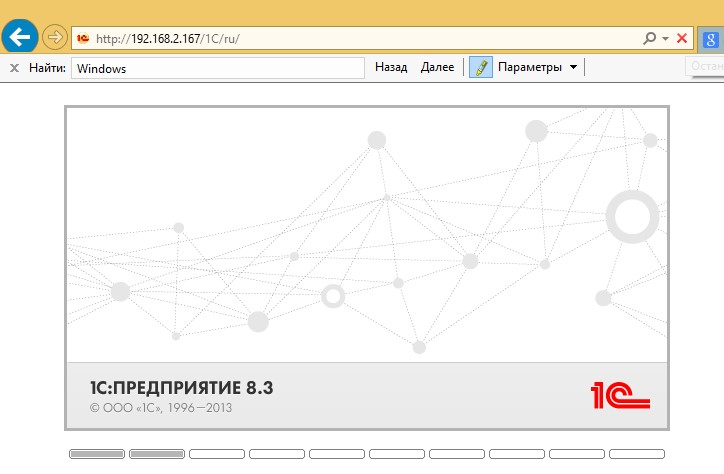
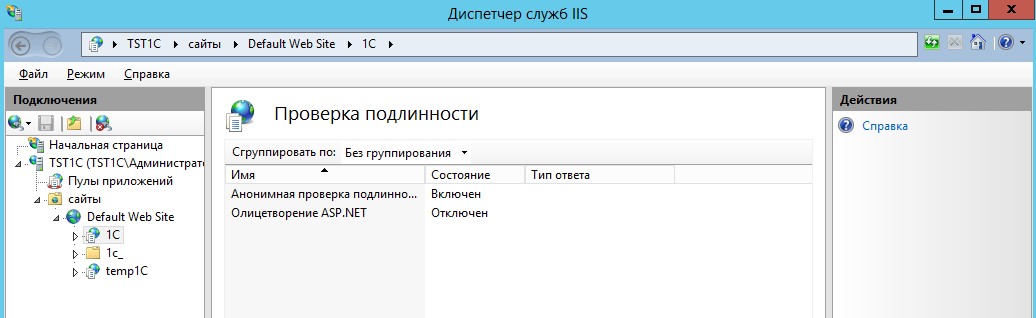
12) Об анонимной аутентификации на IIS и доступе к базе. Настроить доступ с использованием автоматически создаваемого пользователя IUSR у меня получилось. Важно проверить, что Анонимная проверка подлинности включена как в корне сервера, ТАК И НА САЙТЕ. Иначе не работает!!!!
Все работает :)!
Благодарности:
//infostart.ru/public/75205/
Всем спасибо за внимание!
The error usually stems from the development and design of a web site but sometimes your own system triggers it. Try our 7 troubleshooting options to fix it.
Updated on October 11, 2022
The 403 Forbidden error is an HTTP status code that means that access to the page or resource you were trying to reach is blocked for some reason.
What Causes 403 Forbidden Errors
Different web servers report 403 Forbidden errors in different ways, the majority of which we’ve listed below (see the Common 403 Error Messages section). Occasionally a website owner will customize the site’s error, but that’s not too common.
These errors are caused by issues where you’re trying to access something that you don’t have permission for. The error is essentially saying «Go away and don’t come back here» because the server’s access permissions indicate that you’re truly not allowed access or the permissions are actually improperly set up and you’re being denied access when you shouldn’t be.
How to Fix the 403 Forbidden Error
Different website designs can produce 403 errors that might make them seem different from site to site but, overall, they are pretty much the same thing. Often, there’s not much you can do because the error typically stems from the development and design of the site.
Occasionally, though, it could be a problem on your end. Here are a few things to try so you can confirm it’s not your side of the connection causing the problem.
-
Check for URL errors and make sure you’re specifying an actual web page file name and extension, not just a directory. Most websites are configured to disallow directory browsing, so a 403 Forbidden message when trying to display a folder instead of a specific page, is normal and expected.
This is, by far, the most common reason for a website to return the 403 Forbidden error. Be sure you fully explore this possibility before investing time in the troubleshooting below.
If you operate the website in question, and you want to prevent 403 errors in these cases, enable directory browsing in your web server software.
-
Clear your browser’s cache. Issues with a cached version of the page you’re viewing could be causing 403 Forbidden issues.
-
Log in to the website, assuming it’s possible and appropriate to do so. The error message could mean that you need additional access before you can view the page.
Typically, a website produces a 401 Unauthorized error when special permission is required, but sometimes a 403 Forbidden is used instead.
-
Clear your browser’s cookies, especially if you typically log in to this website and logging in again (the last step) didn’t work.
Be sure to enable cookies in your browser, or at least for this website if you do actually log in to access this page. The 403 Forbidden error, in particular, indicates that cookies might be involved in obtaining proper access.
-
Contact the website directly. It’s possible that the 403 error is a mistake, everyone else is seeing it, too, and the website isn’t yet aware of the problem.
Most sites have support-based accounts on social networking sites, making it really easy to get a hold of them. Some even have support email addresses and telephone numbers.
How to Tell If a Website Is Down for Everyone or Just You
-
Contact your internet service provider if you’re still getting the 403 error, especially if you’re pretty sure that the website in question is working for others right now.
It’s possible that your public IP address, or your entire ISP, has been added to a blocklist, a situation that could produce this error, usually on all pages on one or more sites. If that’s the case, and your ISP can’t help you, connecting to a VPN server from a region of the world that does permit access, should be enough to resolve the error.
-
Come back later. Once you’ve verified that the page you’re accessing is the correct one and that the HTTP error is being seen by more than just you, just revisit the page on a regular basis until the problem is fixed.
How the 403 Error Can Appear on Different Sites
These are the most common incarnations of 403 Forbidden errors:
- 403 Forbidden
- HTTP 403
- Forbidden: You don’t have permission to access [directory] on this server
- Forbidden
- Error 403
- HTTP Error 403.14 — Forbidden
- Error 403 — Forbidden
- HTTP Error 403 — Forbidden
The error displays inside the browser window, just as web pages do, and like all errors of this type, it can be seen in any browser on any operating system.
These errors, when received while opening links via Microsoft Office programs, generate the message Unable to open [url]. Cannot download the information you requested inside the Office software.
Windows Update might also report an HTTP 403 error but it will display as error code 0x80244018 or with the following message: WU_E_PT_HTTP_STATUS_FORBIDDEN.
Microsoft IIS web servers provide more specific information about the cause of 403 Forbidden errors by suffixing a number after the 403, as in HTTP Error 403.14 — Forbidden, which means Directory listing denied.
Errors Similar to 403 Forbidden
The following messages are also client-side errors and so are related to the 403 Forbidden error: 400 Bad Request, 401 Unauthorized, 404 Not Found, and 408 Request Timeout.
Several server-side HTTP status codes also exist, like the popular 500 Internal Server Error, among others that you can find in our list of HTTP status code errors.
FAQ
-
What does HTTP stand for?
HTTP stands for HyperText Transfer Protocol. It’s the network protocol used by the World Wide Web that lets you open web page links and jump from one page to the next across search engines and other websites.
-
What does HTTP error 400 mean?
The 400 Bad Request error is an HTTP status code meaning the request you sent to the website server, often something simple like a request to load a web page, was somehow incorrect or corrupted and the server couldn’t understand it. The error is often caused by entering or pasting the wrong URL in the address window.
Thanks for letting us know!
Get the Latest Tech News Delivered Every Day
Subscribe
The error usually stems from the development and design of a web site but sometimes your own system triggers it. Try our 7 troubleshooting options to fix it.
Updated on October 11, 2022
The 403 Forbidden error is an HTTP status code that means that access to the page or resource you were trying to reach is blocked for some reason.
What Causes 403 Forbidden Errors
Different web servers report 403 Forbidden errors in different ways, the majority of which we’ve listed below (see the Common 403 Error Messages section). Occasionally a website owner will customize the site’s error, but that’s not too common.
These errors are caused by issues where you’re trying to access something that you don’t have permission for. The error is essentially saying «Go away and don’t come back here» because the server’s access permissions indicate that you’re truly not allowed access or the permissions are actually improperly set up and you’re being denied access when you shouldn’t be.
How to Fix the 403 Forbidden Error
Different website designs can produce 403 errors that might make them seem different from site to site but, overall, they are pretty much the same thing. Often, there’s not much you can do because the error typically stems from the development and design of the site.
Occasionally, though, it could be a problem on your end. Here are a few things to try so you can confirm it’s not your side of the connection causing the problem.
-
Check for URL errors and make sure you’re specifying an actual web page file name and extension, not just a directory. Most websites are configured to disallow directory browsing, so a 403 Forbidden message when trying to display a folder instead of a specific page, is normal and expected.
This is, by far, the most common reason for a website to return the 403 Forbidden error. Be sure you fully explore this possibility before investing time in the troubleshooting below.
If you operate the website in question, and you want to prevent 403 errors in these cases, enable directory browsing in your web server software.
-
Clear your browser’s cache. Issues with a cached version of the page you’re viewing could be causing 403 Forbidden issues.
-
Log in to the website, assuming it’s possible and appropriate to do so. The error message could mean that you need additional access before you can view the page.
Typically, a website produces a 401 Unauthorized error when special permission is required, but sometimes a 403 Forbidden is used instead.
-
Clear your browser’s cookies, especially if you typically log in to this website and logging in again (the last step) didn’t work.
Be sure to enable cookies in your browser, or at least for this website if you do actually log in to access this page. The 403 Forbidden error, in particular, indicates that cookies might be involved in obtaining proper access.
-
Contact the website directly. It’s possible that the 403 error is a mistake, everyone else is seeing it, too, and the website isn’t yet aware of the problem.
Most sites have support-based accounts on social networking sites, making it really easy to get a hold of them. Some even have support email addresses and telephone numbers.
How to Tell If a Website Is Down for Everyone or Just You
-
Contact your internet service provider if you’re still getting the 403 error, especially if you’re pretty sure that the website in question is working for others right now.
It’s possible that your public IP address, or your entire ISP, has been added to a blocklist, a situation that could produce this error, usually on all pages on one or more sites. If that’s the case, and your ISP can’t help you, connecting to a VPN server from a region of the world that does permit access, should be enough to resolve the error.
-
Come back later. Once you’ve verified that the page you’re accessing is the correct one and that the HTTP error is being seen by more than just you, just revisit the page on a regular basis until the problem is fixed.
How the 403 Error Can Appear on Different Sites
These are the most common incarnations of 403 Forbidden errors:
- 403 Forbidden
- HTTP 403
- Forbidden: You don’t have permission to access [directory] on this server
- Forbidden
- Error 403
- HTTP Error 403.14 — Forbidden
- Error 403 — Forbidden
- HTTP Error 403 — Forbidden
The error displays inside the browser window, just as web pages do, and like all errors of this type, it can be seen in any browser on any operating system.
These errors, when received while opening links via Microsoft Office programs, generate the message Unable to open [url]. Cannot download the information you requested inside the Office software.
Windows Update might also report an HTTP 403 error but it will display as error code 0x80244018 or with the following message: WU_E_PT_HTTP_STATUS_FORBIDDEN.
Microsoft IIS web servers provide more specific information about the cause of 403 Forbidden errors by suffixing a number after the 403, as in HTTP Error 403.14 — Forbidden, which means Directory listing denied.
Errors Similar to 403 Forbidden
The following messages are also client-side errors and so are related to the 403 Forbidden error: 400 Bad Request, 401 Unauthorized, 404 Not Found, and 408 Request Timeout.
Several server-side HTTP status codes also exist, like the popular 500 Internal Server Error, among others that you can find in our list of HTTP status code errors.
FAQ
-
What does HTTP stand for?
HTTP stands for HyperText Transfer Protocol. It’s the network protocol used by the World Wide Web that lets you open web page links and jump from one page to the next across search engines and other websites.
-
What does HTTP error 400 mean?
The 400 Bad Request error is an HTTP status code meaning the request you sent to the website server, often something simple like a request to load a web page, was somehow incorrect or corrupted and the server couldn’t understand it. The error is often caused by entering or pasting the wrong URL in the address window.
Thanks for letting us know!
Get the Latest Tech News Delivered Every Day
Subscribe