From Wikipedia, the free encyclopedia
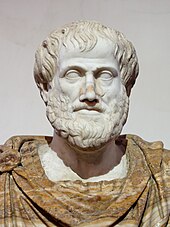
In classical rhetoric and logic, begging the question or assuming the conclusion (Latin: petitio principii) is an informal fallacy that occurs when an argument’s premises assume the truth of the conclusion, instead of supporting it.
For example:
- «Green is the best color because it is the greenest of all colors»
This statement claims that the color green is the best because it is the greenest – which it presupposes is the best.
It is a type of circular reasoning: an argument that requires that the desired conclusion be true. This often occurs in an indirect way such that the fallacy’s presence is hidden, or at least not easily apparent.[1]
History[edit]
The original phrase used by Aristotle from which begging the question descends is: τὸ ἐξ ἀρχῆς (or sometimes ἐν ἀρχῇ) αἰτεῖν, «asking for the initial thing». Aristotle’s intended meaning is closely tied to the type of dialectical argument he discusses in his Topics, book VIII: a formalized debate in which the defending party asserts a thesis that the attacking party must attempt to refute by asking yes-or-no questions and deducing some inconsistency between the responses and the original thesis.
In this stylized form of debate, the proposition that the answerer undertakes to defend is called «the initial thing» (τὸ ἐξ ἀρχῆς, τὸ ἐν ἀρχῇ) and one of the rules of the debate is that the questioner cannot simply ask for it (that would be trivial and uninteresting). Aristotle discusses this in Sophistical Refutations and in Prior Analytics book II, (64b, 34–65a 9, for circular reasoning see 57b, 18–59b, 1).
The stylized dialectical exchanges Aristotle discusses in the Topics included rules for scoring the debate, and one important issue was precisely the matter of asking for the initial thing—which included not just making the actual thesis adopted by the answerer into a question, but also making a question out of a sentence that was too close to that thesis (for example, PA II 16).
The term was translated into English from Latin in the 16th century. The Latin version, petitio principii, «asking for the starting point», can be interpreted in different ways. Petitio (from peto), in the post-classical context in which the phrase arose, means assuming or postulating, but in the older classical sense means petition, request or beseeching.[2][3] Principii, genitive of principium, means beginning, basis or premise (of an argument). Literally petitio principii means «assuming the premise» or «assuming the original point».
The Latin phrase comes from the Greek τὸ ἐν ἀρχῇ αἰτεῖσθαι (tò en archêi aiteîsthai, «asking the original point»)[4] in Aristotle’s Prior Analytics II xvi 64b28–65a26:
Begging or assuming the point at issue consists (to take the expression in its widest sense) [in] failing to demonstrate the required proposition. But there are several other ways in which this may happen; for example, if the argument has not taken syllogistic form at all, he may argue from premises which are less known or equally unknown, or he may establish the antecedent utilizing its consequents; for demonstration proceeds from what is more certain and is prior. Now begging the question is none of these. […] If, however, the relation of B to C is such that they are identical, or that they are clearly convertible, or that one applies to the other, then he is begging the point at issue…. [B]egging the question is proving what is not self-evidently employing itself…either because identical predicates belong to the same subject, or because the same predicate belongs to identical subjects.
— Aristotle, Hugh Tredennick (trans.) Prior Analytics
Aristotle’s distinction between apodictic science and other forms of nondemonstrative knowledge rests on an epistemology and metaphysics wherein appropriate first principles become apparent to the trained dialectician:
Aristotle’s advice in S.E. 27 for resolving fallacies of Begging the Question is brief. If one realizes that one is being asked to concede the original point, one should refuse to do so, even if the point being asked is a reputable belief. On the other hand, if one fails to realize that one has conceded the point at issue and the questioner uses the concession to produce the apparent refutation, then one should turn the tables on the sophistical opponent by oneself pointing out the fallacy committed. In dialectical exchange, it is a worse mistake to be caught asking for the original point than to have inadvertently granted such a request. The answerer in such a position has failed to detect when different utterances mean the same thing. The questioner, if he did not realize he was asking the original point, has committed the same error. But if he has knowingly asked for the original point, then he reveals himself to be ontologically confused: he has mistaken what is non-self-explanatory (known through other things) to be something self-explanatory (known through itself). In pointing this out to the false reasoner, one is not just pointing out a tactical psychological misjudgment by the questioner. It is not simply that the questioner falsely thought that the original point is placed under the guise of a semantic equivalent, or a logical equivalent, or a covering universal, or divided up into exhaustive parts, would be more persuasive to the answerer. Rather, the questioner falsely thought that a non-self-explanatory fact about the world was an explanatory first principle. For Aristotle, that certain facts are self-explanatory while others are not is not a reflection solely of the cognitive abilities of humans. It is primarily a reflection of the structure of noncognitive reality. In short, a successful resolution of such a fallacy requires a firm grasp of the correct explanatory powers of things. Without a knowledge of which things are self-explanatory and which are not the reasoner is liable to find a question-begging argument persuasive.[4]
— Scott Gregory Schreiber, Aristotle on False Reasoning: Language and the World in the Sophistical Refutations
Thomas Fowler believed that petitio principii would be more properly called petitio quæsiti, which is literally «begging the question».[5]
Definition[edit]
To «beg the question» (also called petitio principii) is to attempt to support a claim with a premise that itself restates or presupposes the claim.[6] It is an attempt to prove a proposition while simultaneously taking the proposition for granted.
When the fallacy involves only a single variable, it is sometimes called a hysteron proteron[7][8][9] (Greek for «later earlier»), a rhetorical device, as in the statement:
- «Opium induces sleep because it has a soporific quality.»[10]
Reading this sentence, the only thing one can learn is a new word in a more classical style (soporific), for referring to a more common action (induces sleep), but it does not explain why it causes that effect. A sentence attempting to explain why opium induces sleep, or the same, why opium has soporific quality, would be the following one:
- «Opium induces sleep because it contains Morphine-6-glucuronide, which inhibits the brain’s receptors for pain, causing a pleasurable sensation that eventually induces sleep.»
A less obvious example from Fallacies and Pitfalls of Language: The Language Trap by S. Morris Engel:
- «Free trade will be good for this country. The reason is patently clear. Isn’t it obvious that unrestricted commercial relations will bestow on all sections of this nation the benefits which result when there is an unimpeded flow of goods between countries?»[11]
This form of the fallacy may not be immediately obvious. Linguistic variations in syntax, sentence structure, and the literary device may conceal it, as may other factors involved in an argument’s delivery. It may take the form of an unstated premise which is essential but not identical to the conclusion, or is «controversial or questionable for the same reasons that typically might lead someone to question the conclusion»:[12]
…[S]eldom is anyone going to simply place the conclusion word-for-word into the premises … Rather, an arguer might use phraseology that conceals the fact that the conclusion is masquerading as a premise. The conclusion is rephrased to look different and is then placed in the premises.
— Paul Herrick[1]
For example, one can obscure the fallacy by first making a statement in concrete terms, then attempting to pass off an identical statement, delivered in abstract terms, as evidence for the original.[10] One could also «bring forth a proposition expressed in words of Saxon origin, and give us a reason for it the very same proposition stated in words of Norman origin»,[13] as here:
- «To allow every man an unbounded freedom of speech must always be, on the whole, advantageous to the State, for it is highly conducive to the interests of the community that each individual should enjoy a liberty perfectly unlimited of expressing his sentiments.»[14]
When the fallacy of begging the question is committed in more than one step, some authors dub it circulus in probando (reasoning in a circle)[7][15] or, more commonly, circular reasoning.
Begging the question is not considered a formal fallacy (an argument that is defective because it uses an incorrect deductive step). Rather, it is a type of informal fallacy that is logically valid but unpersuasive, in that it fails to prove anything other than what is already assumed.[16][17][18]
[edit]
Closely connected with begging the question is the fallacy of circular reasoning (circulus in probando), a fallacy in which the reasoner begins with the conclusion.[19] The individual components of a circular argument can be logically valid because if the premises are true, the conclusion must be true, and does not lack relevance. However, circular reasoning is not persuasive because a listener who doubts the conclusion also doubts the premise that leads to it.[20]
Begging the question is similar to the complex question (also known as trick question or fallacy of many questions): a question that, to be valid, requires the truth of another question that has not been established. For example, «Which color dress is Mary wearing?» may be fallacious because it presupposes that Mary is wearing a dress. Unless it has previously been established that her outfit is a dress, the question is fallacious because she could be wearing an outfit that was not a dress, such as pants and no dress.[21][22]
Another related fallacy is ignoratio elenchi or irrelevant conclusion: an argument that fails to address the issue in question, but appears to do so. An example might be a situation where A and B are debating whether the law permits A to do something. If A attempts to support his position with an argument that the law ought to allow him to do the thing in question, then he is guilty of ignoratio elenchi.[23]
Vernacular[edit]
In vernacular English,[24][25][26][27] begging the question (or equivalent rephrasing thereof) often occurs in place of «raises the question», «invites the question», «suggests the question», «leaves unanswered the question» etc.. Such preface is then followed with the question, as in: [28][29]
- «[…] personal letter delivery is at an all-time low… Which begs the question: are open letters the only kind the future will know?»[29]
- «Hopewell’s success begs the question: why aren’t more companies doing the same?»[30]
- «Spending the summer traveling around India is a great idea, but it does beg the question of how we can afford it.»[31]
Sometimes it is further confused with «dodging the question», an attempt to avoid it, or perhaps more often begging the question is simply used to mean leaving the question unanswered.[2]
See also[edit]
- Ambiguity
- Catch-22 (logic)
- Circular definition
- Consequentia mirabilis
- Euphemism treadmill
- Fallacies of definition
- Infinite regress § Failure to explain
- Open-question argument
- Polysyllogism
- Presuppositional apologetics
- Regress argument (diallelus)
- Spin (propaganda)
Notes[edit]
- ^ a b Herrick (2000) 248.
- ^ a b Liberman, Mark (29 April 2010). «‘Begging the question’: we have answers». Language Log. Retrieved 12 January 2012.
- ^ Kretzmann, N.; Stump, E. (1988). Logic and the Philosophy of Language. The Cambridge Translations of Medieval Philosophical Texts. Vol. 1. Cambridge University Press. p. 374. ISBN 978-0521280631. LCCN 87030542.
One sort of petitio is common, and another is dialectical; but common petitio is not relevant here. A dialectical petitio is an expression that insists that in the disputation some act must be performed with regard to the statable thing [at issue]. For example, «I require (peto) you to respond affirmatively to ‘God exists,'» and the like. And petitio obligates [the respondent] to perform an action with regard to the obligatum, while positio obligates [him] only to maintain [the obligatum]; and in this way petitio and positio differ.
- ^ a b Schreiber, S.G. (2003). Aristotle on False Reasoning: Language and the World in the Sophistical Refutations. SUNY Series in Ancient Greek Philosophy. State University of New York Press. pp. 99, 106, 214. ISBN 978-0791456590. LCCN 2002030968.
It hardly needs pointing out that such circular arguments are logically unassailable. The importance of the Prior Analytics introduction to the fallacy is that it places the error in a thoroughly epistemic context. For Aristotle, some reasoning of the form «p because p» is acceptable, namely, in cases where p is self-justifying. In other cases, the same (logical) reasoning commits the error of Begging the Question. Distinguishing self-evident from non-self-evident claims is a notorious crux in the history of philosophy. Aristotle’s antidote to the subjectivism that threatens always to debilitate such decisions is his belief in a natural order of epistemic justification and the recognition that it takes special (dialectical) training to make that natural order also known to us.
- ^ Fowler, Thomas (1887). The Elements of Deductive Logic, Ninth Edition (p. 145). Oxford, England: Clarendon Press.
- ^ Welton (1905), 279., «Petitio principii is, therefore, committed when a proposition which requires proof is assumed without proof.»
- ^ a b Davies (1915), 572.
- ^ Welton (1905), 280–282.
- ^ In Molière’s Le Malade imaginaire, a quack «answers» the question of «Why does opium cause sleep?» with «Because of its soporific power.» In the original: Mihi a docto doctore / Demandatur causam et rationem quare / Opium facit dormire. / A quoi respondeo, / Quia est in eo / Vertus dormitiva, / Cujus est natura / Sensus assoupire. Le Malade imaginaire in French Wikisource
- ^ a b Welton (1905), 281.
- ^ Engel, S. Morris (1994). Fallacies and pitfalls of language : the language trap. S. Morris Engel. New York: Dover Publications. ISBN 0-486-28274-0. OCLC 30671266.
- ^ Kahane and Cavender (2005), 60.
- ^ Gibson (1908), 291.
- ^ Richard Whately, Elements of Logic (1826) quoted in Gibson (1908), 291.
- ^ Bradley Dowden, «Fallacies» in Internet Encyclopedia of Philosophy.
- ^ «Fallacy». Encyclopædia Britannica.
Strictly speaking, petitio principii is not a fallacy of reasoning but an ineptitude in argumentation: thus the argument from p as a premise to p as conclusion is not deductively invalid but lacks any power of conviction since no one who questioned the conclusion could concede the premise.
- ^ Walton, Douglas (1992). Plausible argument in everyday conversation. SUNY Press. pp. 206–207. ISBN 978-0791411575.
Wellington is in New Zealand. Therefore, Wellington is in New Zealand.
- ^ The reason petitio principii is considered a fallacy is not that the inference is invalid (because any statement is indeed equivalent to itself), but that the argument can be deceptive. A statement cannot prove itself. A premiss [sic] must have a different source of reason, ground or evidence for its truth from that of the conclusion: Lander University, «Petitio Principii».
- ^ Dowden, Bradley (27 March 2003). «Fallacies». Internet Encyclopedia of Philosophy. Retrieved 5 April 2012.
- ^ Nolt, John Eric; Rohatyn, Dennis; Varzi, Achille (1998). Schaum’s Outline of Theory and Problems of Logic. McGraw-Hill Professional. p. 205. ISBN 978-0070466494.
- ^ Meyer, M. (1988). Questions and Questioning. Foundations of Communication. W. de Gruyter. pp. 198–199. ISBN 978-3110106800. LCCN lc88025603.
- ^ Walton, D.N. (1989). Informal Logic: A Handbook for Critical Argument. Cambridge University Press. pp. 36–37. ISBN 978-0521379250. LCCN 88030762.
- ^ H.W. Fowler, A Dictionary of Modern English Usage. Entry for ignoratio elenchi.
- ^ Garner, B.A. (1995). Dictionary of Modern Legal Usage. Oxford Dictionary of Modern Legal Usage. Oxford University Press. p. 101. ISBN 978-0195142365. LCCN 95003863.
begging the question does not mean «evading the issue» or «inviting the obvious questions,» as some mistakenly believe. The proper meaning of begging the question is «basing a conclusion on an assumption that is as much in need of proof or demonstration as the conclusion itself.» The formal name for this logical fallacy is petitio principii. Following are two classic examples: «Reasonable men are those who think and reason intelligently.» Patterson v. Nutter, 7 A. 273, 275 (Me. 1886). (This statement begs the question, «What does it mean to think and reason intelligently?»)/ «Life begins at conception! [Fn.: ‘Conception is defined as the beginning of life.’]» Davis v. Davis, unreported opinion (Cir. Tenn. Eq. 1989). (The «proof»—or the definition—is circular.)
- ^ Houghton Mifflin Company (2005). The American Heritage Guide to Contemporary Usage and Style. p. 56. ISBN 978-0618604999. LCCN 2005016513.
Sorting out exactly what beg the question means, however, is not always easy—especially in constructions such as beg the question of whether and beg the question of how, where the door is opened to more than one question. […] But we can easily substitute evade the question or even raise the question, and the sentence will be clear, even though it violates the traditional usage rule.
- ^ Brians, Common Errors in English Usage: Online Edition (full text of book: 2nd Edition, November 2008, William, James & Company) [1] (accessed 1 July 2011)
- ^ Follett (1966), 228; Kilpatrick (1997); Martin (2002), 71; Safire (1998).
- ^ Corbett, Philip B. (25 September 2008). «Begging the Question, Again». New York Times.
- ^ a b «Beg the Question». Retrieved 3 November 2018.
- ^ «beg the question». Collins Cobuild Advanced English Dictionary online, accessed on 2019-05-13
- ^ «beg the question» Cambridge Advanced Learner’s Dictionary & Thesaurus online, accessed on 2019-05-13
References[edit]
- Cohen, Morris Raphael, Ernest Nagel, and John Corcoran. An Introduction to Logic. Hackett Publishing, 1993. ISBN 0-87220-144-9.
- Davies, Arthur Ernest. A Text-book of Logic. R.G. Adams and Company, 1915.
- Follett, Wilson. Modern American Usage: A Guide. Macmillan, 1966. ISBN 0-8090-0139-X.
- Gibson, William Ralph Boyce, and Augusta Klein. The Problem of Logic. A. and C. Black, 1908.
- Herrick, Paul. The Many Worlds of Logic. Oxford University Press, 2000. ISBN 0-19-515503-3
- Kahane, Howard, and Nancy Cavender. Logic and contemporary rhetoric: the use of reason in everyday life. Cengage Learning, 2005. ISBN 0-534-62604-1.
- Kilpatrick, James. «Begging Question Assumes Proof of an Unproved Proposition». Rocky Mountain News (CO) 6 April 1997. Accessed through Access World News on 3 June 2009.
- Martin, Robert M. There Are Two Errors in the the Title of This Book: A sourcebook of philosophical puzzles, paradoxes, and problems. Broadview Press, 2002. ISBN 1-55111-493-3.
- Mercier, Charles Arthur. A New Logic. Open Court Publishing Company, 1912.
- Mill, John Stuart. A system of logic, ratiocinative and inductive: being a connected view of the principles of evidence, and the methods of scientific investigation. J.W. Parker, 1851.
- Safire, William. «On Language: Take my question please!». The New York Times 26 July 1998. Accessed 3 June 2009.
- Schiller, Ferdinand Canning Scott. Formal logic, a scientific and social problem. London: Macmillan, 1912.
- Welton, James. «Fallacies incident to the method». A Manual of Logic, Vol. 2. London: W.B. Clive University Tutorial Press, 1905.
1. [gəʋ]
(pl goes [gəʋz]
1. ход, ходьба; движение
come and go — хождение туда и сюда /взад и вперёд/
the boat rolled gently with the come and go of small waves — лодка мягко покачивалась на мелких волнах
to be on the go — быть в движении /в работе/
he is always on the go — он всегда в движении; он никогда не сидит без дела
he has two books on the go at the moment — в настоящее время он работает (одновременно) над двумя книгами
2. обстоятельство, положение; неожиданный поворот дел
a near go — опасное /рискованное/ положение; ≅ быть на волосок от гибели /провала, разорения /
here’s a pretty go!, what a go! — ≅ весёленькая история!, хорошенькое дельце!
it’s a queer /rum/ go — странное дело
3. попытка
to have a go at — попытаться, рискнуть, попытать счастья
she was staying for another go — она осталась, чтобы сделать ещё одну попытку
let’s have another go at this problem — давай ещё раз попробуем разобраться в этом деле
he had several goes at the examination before he passed — он не смог сдать экзамен с первого захода
4. 1) приступ
3) что-л. выполненное за один раз
5. сделка, соглашение
it’s a go! — идёт!, по рукам, решено!, договорились!
6.
энергия, воодушевление; рвение; увлечение
7.
успех; удача; успешное предприятие
he is convinced that he can make a go of it — он уверен, что добьётся в этом деле успеха
no go — бесполезный, безнадёжный
it’s no go! — не пойдёт!, невозможно!
to give smb. the go — дать кому-л. сигнал разрешение действовать; ≅ дать «добро»
quite /all/ the go — последний крик моды; предмет всеобщего увлечения
first go — первым делом, сразу же
at a go — сразу, зараз
the great [little] go — последний [первый] экзамен на степень бакалавра гуманитарных наук ()
he was a drag on me from the word go — с самого начала он был для меня обузой
2. [gəʋ]
амер. разг.
быть в состоянии готовности; работать (безотказно) ()
you are go for landing — ≅ разрешается посадка
she was suddenly in a go condition — она внезапно почувствовала, что готова ко всему
3. [gəʋ]
(went; gone)
I
1. идти, ходить
to go slowly [quickly] — идти медленно [быстро]
to go slow — а) идти медленно, не торопиться; б) быть осмотрительным; [ тж. ]
cars go on the road — по дороге едут /ездят/ машины
to go upstairs [downstairs] — подыматься [спускаться] по лестнице
they went over the river — они перешли /переправились через/ реку
he went to visit /to see/ her — он пошёл навестить /проведать/ её
to go in single file [in pairs] — идти по одному [парами]
you go first — а) вы идите первым /вперёд/; б) проходите, пожалуйста; в) ваш первый ход
2. направляться, следовать; ехать, поехать
to go to the country — поехать за город /в деревню, на дачу/ [ тж. ]
to go abroad — поехать за границу [ тж. ]
to go to France [to London] — поехать во Францию [в Лондон]
to go on a journey — поехать в путешествие; совершать путешествие
to go for a ride /a drive/ — поехать /отправиться/ на прогулку ( верхом, на велосипеде, в автомобиле)
to go on a visit — поехать /отправиться/ с визитом; поехать погостить
to go to a party — пойти в гости /на вечеринку, на вечер/
to go on a tour — а) отправиться /пуститься/ в путешествие; б) отправляться на гастроли /в турне/
3. 1) ездить, путешествовать, передвигаться ()
to go by land [by water] — ехать по суше [по воде]
to go by train [by bus, by tram, by rail, by steamer] — ехать поездом [автобусом, трамваем, по железной дороге, пароходом]
to go in a carriage [in a motor-car, in a ship, in a tram, in a trolley-bus] — ехать в экипаже [в автомобиле, на пароходе, в трамвае, в троллейбусе]
to go on foot — ходить /идти/ пешком
2) ходить, курсировать
4. 1) уходить, уезжать
we came at six and went at nine — мы пришли в шесть, а ушли в девять
it is time for us to go — нам пора уходить /идти, уезжать/
I’ll be going now — ну, я пошёл
I must be going now, I must be gone — теперь мне нужно уходить
she is gone — она ушла /уехала/, её нет
be gone!, get you gone! — уходи!
2) отходить, отправляться
when does the train go? — когда отходит поезд?
the train goes from platform 5 — поезд отходит от платформы №5
one, two, three — go!, ready, steady, go! — внимание… приготовиться… марш!
5. 1) двигаться, быть в движении
I’d prefer to sit the way the train is going — я бы предпочёл сидеть по ходу поезда
to set smth. going — привести что-л. в движение
2) двигаться с определённой скоростью
the train was going (at) fifty miles an hour — поезд шёл со скоростью 50 миль в час
to go at full drive /tilt/ — идти полным ходом
6. 1) работать, действовать, функционировать ()
my watch is going too fast [slow] — мои часы слишком спешат [отстают]
the engine went beautifully all day — весь день машина работала превосходно
how do I make the washing machine go? — как включить стиральную машину?
2) жить, действовать, функционировать ()
he manages to keep going — он как-то тянет, ему удаётся держаться
7. 1) тянуться, проходить, пролегать, простираться
mountains that go from east to west — горы, тянущиеся /простирающиеся/ с востока на запад
how far does the road go? — далеко ли тянется эта дорога?
2) дотягиваться; доходить
I want a rope that will go from the top window to the ground — мне нужна верёвка, которую можно опустить с верхнего этажа до земли
8. 1) протекать, проходить
time goes quickly — время идёт быстро /летит/
vacation goes quickly — не успеваешь оглянуться, а отпуск кончился
2) протекать; завершаться каким-л. образом
how is the evening going? — как проходит вечер?
how did the interview go? — как прошло интервью?
I hope all goes well with you — надеюсь, что у вас всё хорошо
how did the voting go? — как завершилось голосование?; каковы результаты голосования?
nobody knows how matters will go — никто не знает, как пойдут дела
what made the party go? — что обеспечило успех вечера?
9. 1) исчезать; проходить
2) исчезнуть, пропасть
his hat has gone — у него исчезла /пропала/ шляпа
where’s my pen? It’s gone (off my desk) — где моя ручка? Она исчезла (с моего стола)
10. распространяться; передаваться
11. передаваться ()
this message will go by mail /by post, in the post/ — это сообщение пойдёт по почте
12. иметь хождение, быть в обращении
13. (
to) идти (); брать на себя (
); решаться ()
to go to a lot of [great] trouble to do smth. — приложить много [массу] усилий, чтобы сделать что-л.
he will not even go to the trouble of doing that — он не захочет даже и попытаться сделать это
to go so far as to say that! — дойти до того, чтобы сказать это!
14. 1) податься; рухнуть; сломаться, расколоться
the platform went — трибуна рухнула /обрушилась/
first the sail went and then the mast — сперва подался парус, а затем и мачта
there goes another button! — ну вот, ещё одна пуговица отлетела!
the fuse [bulb] went — перегорела пробка [лампочка]
the engine in the old car finally went — мотор в старой машине окончательно пришёл в негодность
2) потерпеть крах, обанкротиться
3) отменяться, уничтожаться
this clause of the bill will have to go — эта статья законопроекта должна быть отменена /не должна быть принята/
whatever is not done yet must simply go — всё, что не сделано, придётся оставить как есть
4) (
с must, can, have to) отказываться; избавляться
the car must go, we can’t afford it — от машины придётся отказаться, она нам не по карману
15. 1) быть расположенным, следовать в определённом порядке
2) храниться, находиться (); становиться ()
where is this carpet to go? — куда постелить этот ковёр?
3) (into, under) умещаться, укладываться ()
the thread is too thick to go into the needle — нитка слишком толстая, чтобы пролезть в иголку
how many pints go into a gallon? — сколько пинт содержится в одном галлоне?
16. заканчиваться определённым результатом
I don’t know whether the case goes for me or against me — я не знаю ещё, удастся ли мне выиграть процесс
which way will the decision go? — как всё решится?
17. 1) гласить, говорить
I don’t exactly remember how the words go — я точно не помню, как это там сказано
how does the story go? — что там дальше в рассказе?
the story goes that he was murdered — говорят, что его убили
2) звучать ()
the tune goes something like this… — вот как, примерно, звучит этот мотив
how does that song go? — напомните мне мотив этой песни
ducks go❝quack❞ — утки делают «кряк-кряк»
the guns went❝boom❞ — «бабах!» грохнули пушки [ тж. III А 2, 4)]
18. 1) звонить
I hear the bells going — я слышу, как звонят колокола
2) бить, отбивать время
19. умирать, гибнуть
she is gone — она погибла, она умерла
my grandmother went peacefully in the night — моя бабушка тихо скончалась ночью
after George went, she moved into a smaller house — когда Джордж умер, она переехала в дом поменьше
20. 1) пройти, быть принятым
2) быть приемлемым
here anything goes — здесь всё сойдёт; здесь ты можешь делать, что твоей душе угодно
22. справляться, одолевать
23. ходить определённым шагом
to go narrow [wide] — идти узким [широким] шагом ()
24. спариваться
II А
1. 1) участвовать ()
to go halves [shares, snacks, fifty-fifty, snips], to go share and share alike — делить поровну /пополам/; принять участие наравне ()
2)
разг. ставить (); рисковать ()
how much do you go? — а) сколько вы ставите?; б) на сколько вы спорите?
2. 1) пропадать, слабеть ()
my voice has gone because of my cold — от простуды я потеряла голос /у меня сел голос/
butter goes better in the refrigerator — масло сохраняется лучше в холодильнике
2) носиться ()
to go on the parish — получать приходское пособие по бедности, жить за счёт прихожан
to go on the dole — получать пособие по бедности; перейти на пособие
II Б
1.
1) собираться, намереваться сделать что-л.
we were going to France but we changed our minds — мы хотели поехать во Францию, но передумали
she is going to spend holidays at a rest-home — она решила провести свои каникулы в доме отдыха
he is not going to be cheated — он не допустит, чтобы его обманули
2) ожидаться ()
I’m going to be sick! — меня сейчас вырвет!
she felt she was going to be ill — она чувствовала, что заболевает
2.
взять да сделать что-л.; пойти и сделать что-л.
to go and fetch smb., smth. — сходить за кем-л., чем-л.
you’ve gone and torn my dress — ну вот, вы порвали мне платье
there now! if I haven’t gone and lost my ticket! — и надо же было мне потерять билет!
3.
1) заниматься чем-л.
she went about her work with energy — она энергично занималась своими делами
we must go about it carefully — а) это надо делать осторожно; б) за это надо браться осторожно
2) приниматься за что-л.
how does one go about getting seats? — что нужно делать, чтобы достать билеты /места/?
he didn’t know how to go about building a boat — он не знал, как подступиться к строительству лодки
4. энергично взяться за что-л.
let’s go at this problem in a different way — давайте попробуем решить эту проблему по-другому
he went at his breakfast as if he’d never eaten for a week — он набросился на завтрак так, будто не ел целую неделю
5. набрасываться, бросаться на кого-л.
6.
1) двигаться против чего-л.
to go against the tide — плыть против течения [ тж. ]
2) идти вразрез с чем-л., противоречить чему-л.
she went against her mother’s wishes — она не послушалась своей матери; она поступила наперекор своей матери
3)
оспаривать что-л.; спорить против чего-л.
7. быть против кого-л.; не подходить кому-л.
it goes against me — это противно мне, это противоречит моим убеждениям
8. пересматривать, рассматривать заново, изучать ()
9. выходить за пределы чего-л., превышать что-л.
10.
1) судить по чему-л.
2) руководствоваться чем-л., следовать чему-л.
it is a good rule to go by — вот хорошее правило, которым следует руководствоваться
I shall go entirely by what the doctor says — я буду делать всё, что говорит врач
we were just going on what you yourself had said — мы как раз действовали в соответствии с тем, что вы сами говорили
that’s all the police had to go on to catch the killer — вот и все улики, которые были у полиции и по которым она должна была поймать убийцу
11. домогаться чего-л., кого-л.
he is going after Jane — он ухаживает /бегает/ за Джейн
12.
1)
наброситься, обрушиться на кого-л.
suddenly the lion went for his keeper — внезапно лев набросился на служителя
my wife went for me because I was late for dinner — жена выругала меня за то, что я опоздал к обеду
2) слыть кем-л.; быть принятым за кого-л.
he went for an old man among the youth — молодёжь принимала его за старика /считала его стариком/
3)
увлекаться кем-л.; влюбиться в кого-л.
I don’t go for men of his type — мне такие мужчины, как он, не нравятся
13.
1)
заменить что-л., сойти за что-л.
this synthetic material may easily go for pure wool — эта искусственная ткань может легко сойти за чистую шерсть
2) стремиться к чему-л.; добиваться чего-л.
will you go for the prize? — ты будешь бороться за призовое место?
when you offer him sweets he goes for the biggest one — когда ему предлагают конфеты, он всегда тянется за самой большой
3) увлекаться чем-л.
do you go for modern music? — вы любите современную музыку?
14. продаваться по определённой цене
to go for nothing — продаваться за бесценок [ тж. II Б 15]
the books went for a shilling [for so little] — книги были проданы за шиллинг [так дёшево]
there were good coats going at £50 — по 50 фунтов продавали хорошие пальто
going for £10!, going!, going!, gone! — продаётся за 10 фунтов!, 10 фунтов — раз!, 10 фунтов — два!, 10 фунтов — три! продано (за 10 фунтов)
15. расходоваться, уходить на что-л.
half our money goes on food and clothes for the children — половина наших денег уходит на еду и одежду для детей
his time goes in watching television — он всё своё время тратит на телевизор
to go for nothing — пропасть, уйти впустую [ тж. II Б 14]
16.
1) обращаться к чему-л., на кого-л.
his eyes went to her — он взглянул на неё, он обратил свой взгляд на неё
2) прибегать к помощи; обращаться ()
to go to law /to court/ — обращаться в суд
to go to law with smb. — возбуждать дело в суде против кого-л.
17. становиться кем-л.
to go to the stage — стать актёром, пойти в актёры
to go to the streets — стать проституткой, пойти на панель
to go to school — ходить в школу; стать учеником, учиться в школе
to go to college [to the university] — стать [быть] студентом, учиться в колледже [в университете]
18.
1) быть проданным кому-л.
the house went to the one who made the highest offer — дом продали тому, кто предложил самую высокую цену
going to the gentleman in the third row! going, going, gone! — продано джентльмену в третьем ряду! продано — раз!, продано — два!, продано — три!
2) доставаться кому-л.
19.
1) тщательно, пункт за пунктом разбирать что-л.
2) проделать, сделать что-л.
let’s go through the rehearsal without any interruptions — давайте проведём репетицию без всяких помех
3) пройти, быть принятым где-л. ()
the plan must go through several stages — план должен пройти несколько инстанций
4) испытывать что-л., подвергаться чему-л.
the country has gone through too many wars — эта страна перенесла слишком много войн
6) обыскивать, обшаривать что-л.
he went through his pockets looking for the key — он обыскал все карманы в поисках ключа
7) растратить, израсходовать ()
he quickly went through his fortune [his savings] — он быстро растратил /промотал/ своё состояние [свои сбережения]
20.
1) тщательно разбирать что-л., вникать во что-л.; расследовать, рассматривать что-л.
to go into details /particulars/ — вдаваться в подробности
2) избирать ()
to go into business — избрать карьеру делового человека; стать дельцом
to go into Parliament [into the Cabinet] — стать членом парламента [кабинета министров]
3) вступить в организацию, стать членом общества
4) надевать
she goes into woollen stockings in September — с сентября она начинает носить шерстяные чулки
21.
1) предстать перед кем-л., чем-л.
you will go before the board of directors — вы предстанете перед советом директоров
2) передавать на рассмотрение кому-л., чему-л.
your suggestion will go before the committee — о вашем предложении доложат комиссии
can this question go direct to the minister? — нельзя ли этот вопрос поставить непосредственно перед министром?
22.
1) сопровождать кого-л., идти вместе с кем-л.
shall I go with you? — хотите я пойду с вами?
2) быть заодно, соглашаться с кем-л.
23.
1) подходить к чему-л., гармонировать с чем-л.; соответствовать чему-л.
the blue scarf goes well with your blouse — этот голубой шарф красиво сочетается с вашей блузкой
2) относиться к чему-л., быть связанным с чем-л.
five acres of land go with the house — продаётся дом с прилегающим к нему участком в пять акров
3) быть связанным с чем-л.; соответствовать чему-л.
the salary that goes with an office — жалованье, соответствующее занимаемой должности
24.
1) обходиться без чего-л.
2) не иметь чего-л.
to go without money — не иметь денег, быть без денег
25. быть известным под каким-л. именем
to go by /under/ the name of… — быть известным под именем…
he went under a pseudonym — он был известен под псевдонимом, он носил псевдоним
26. приписываться кому-л. ()
that play generally goes under the name of Shakespeare — обычно эту пьесу приписывают Шекспиру
27. 1) составлять что-л., входить в состав чего-л.
items which go to make up the total — пункты, из которых складывается целое
2) быть необходимым для чего-л., кого-л.
what qualities go to the making of a pilot? — какие качества необходимы пилоту?
dressings that go to making a good salad — приправа, необходимая, чтобы приготовить вкусный салат
28. приходить в какое-л. состояние
29. входить в какое-л. положение
30. как что-л. заведено…;… как другие
as things go — при сложившихся обстоятельствах, как это водится, в нынешних условиях
that’s not bad as things go — при существующем положении вещей это не так уж плохо
31. свидетельствовать
it all goes to show that he cannot be trusted — всё это свидетельствует о том, что ему нельзя доверять
your behaviour goes to prove that… — ваше поведение служит доказательством того, что…
32. иметься, продаваться, подаваться
come along, there are ices going — идём скорее, подают мороженое
I’ll have what’s going — дайте мне, что у вас есть
are there any jobs going? — здесь есть работа?
are there any houses going? — здесь продают(ся) дома?
III А
1. :
to go (out) hunting /shooting/ — отправляться /ходить/ на охоту
to go out fishing [duck-shooting] — отправляться на рыбную ловлю [охотиться на уток]
to go shopping — отправляться за покупками; ходить по магазинам
he goes frightening people with his stories — он постоянно пугает людей своими рассказами
1) находиться в каком-л. положении состоянии
to go free — быть свободным /незанятым/
to go hungry /empty/ — (вечно) быть /ходить/ голодным
to go armed — быть /ходить/ вооружённым, носить оружие
the differences between them go deep — их разногласия имеют глубокие корни
to go in fear (of smth.) — жить в вечном страхе (перед чем-л.)
to go strong — держаться, сохранять силу, не сдаваться
to be six months gone (with child) — быть на седьмом месяце (беременности)
2) делаться, становиться
to go bad — испортиться; сгнить, прогнить, протухнуть
to go dry — высыхать, становиться сухим [ тж. ]
she /her hair/ is going grey — она седеет
to go mad /mental/ — сойти с ума
to go queer in the head — а) помешаться; б) почувствовать головокружение
to go wrong — а) сбиться с пути, встать на ложный путь; ошибаться; поступать неправильно; б) не выйти, не получиться; в) испортиться, перестать работать; разладиться; г) испортиться, протухнуть ()
he went hot and cold — его бросало то в жар, то в холод
a man gone ninety years of age — человек, которому за 90
to go Conservative — стать /сделаться/ консерватором
to go apprentice — сделаться подмастерьем /учеником/
3) оставаться в каком-л. положении
to go unpunished — быть /оставаться/ безнаказанным
to go free /scot-free/ — оставаться свободным
4) издавать внезапный отчётливый звук
to go pop — выстрелить, грохнуть, бахнуть
to go snap — треснуть; с треском сломаться
to go flop — а) хлопнуться, плюхнуться; б) потерпеть неудачу, провалиться
to go fut, to go phut — а) лопнуть; б) сорваться, провалиться, лопнуть; потерпеть крах, неудачу; кончиться ничем; в) испортиться, сломаться
to go to bed /to sleep/ — ложиться спать
to go the round of — а) совершать обход; б) циркулировать (); переходить передаваться из уст в уста
to go far — а) хватить надолго; those potatoes won’t go far when there are 10 people to feed — картофеля надолго не хватит, раз надо кормить целых десять человек; б) зайти далеко; перейти границы (); you’ve gone too far! — ну, это ты хватил!, в) многого добиться; the boy is clever and will go far — мальчик умный и многого добьётся
to go a long /good, great/ way — а) далеко пойти; б) далеко зайти, хватить через край; в) хватить надолго, быть достаточным ()
as /so/ far as it goes — поскольку дело касается, что касается, что до
it will go hard /ill/ with him — ему придётся плохо /туго/
to go smb. better — превзойти /перещеголять, затмить/ кого-л.
to go dry — а) запретить продажу спиртных напитков; б) отказаться от употребления спиртных напитков; стать трезвенником; [ тж. III А 2, 2)]
to go wet — а) разрешить продажу спиртных напитков; б) начать пить
to go steady — иметь постоянного возлюбленного /-ую возлюбленную/
to go bail — а) становиться поручителем, поручиться внести залог (); б) ручаться
go bail that… — ручаюсь, что…
to go downhill — а) катиться по наклонной плоскости; б) ухудшаться ()
to go abroad — получить известность [ тж. I 2], распространиться ()
to go to the country — распустить парламент и назначить новые выборы [ тж. I 2]
to go to Canossa — пойти в Каноссу, публично унижаться (), испрашивая прощение
to let /to leave/ go — а) выпускать из рук; б) (от)пускать, выпускать; освобождать; let me go! — отпустите меня!; в) пропускать; г) перестать думать, выбросить из головы
let it go at that! — довольно!, будет!, пусть это так и останется!
I’ve let my music go — я запустил музыку, я перестал заниматься музыкой
go easy /slow/! — осторожнее!, потише! [ тж. I 1]
to go easy on smth. — быть тактичным в отношении чего-л.; проявлять осторожность в отношении чего-л.
to go solid — полит. жарг. придерживаться одного мнения, действовать единодушно
to be going strong — а) быть полным сил; процветать; б) поступать безрассудно /опрометчиво/
to go one’s (own) way /gate/ — идти своим путём, действовать самостоятельно, поступать по-своему
to go with the current /the tide, the stream, the crowd/ — плыть по течению
to go with the times /the tides/ — идти в ногу со временем
to go against the stream /the tide/ — а) идти /плыть/ против течения; б) работать в неблагоприятных условиях; действовать, преодолевая сопротивление /оппозицию/; [ тж. II Б 6 1)]
as you go!, as she goes! — так держать!
to go down the drain — быть истраченным впустую [ тж. drain I ]
to go over the top — а) разг. идти в атаку (); б) ринуться в атаку, начать решительно действовать, сделать решительный шаг
to let oneself go — дать волю своим чувствам; разойтись, увлечься
to go off the deep end — а) волноваться, приходить в возбуждение; б) действовать сгоряча, принять необдуманное решение
to go out of one’s mind /senses/ — а) сойти с ума, рехнуться, лишиться рассудка; б) быть вне себя от волнения
to go off one’s head / chump, nut/, to go round the bend — сойти с ума, помешаться, рехнуться, спятить; обезуметь, вести себя как безумный
to go off at a tangent — сорваться, странно себя повести высказаться
to go off the hooks — а) умереть, протянуть ноги; б) сойти с ума, рехнуться, спятить; в) сбиться с пути, свихнуться
to go out of the world — умереть, покинуть бренный мир
to go the way of all the earth /flesh/, to go beyond the veil, to go home, to go to one’s last /long/ home, to go to glory, to go to heaven, to go to one’s long rest, to go to one’s own place, to go over to the majority умереть, скончаться, разделить участь всех смертных, отправиться на тот свет, отправиться к праотцам, уйти на покой, покинуть этот бренный мир
to go (all) to pieces /rack and ruin, smash/ — а) развалиться; разбиться вдребезги, разлететься на части /на куски/; б) подорвать своё здоровье, выйти из строя; в) обанкротиться; вылететь в трубу; трещать по всем швам; г) погибнуть, пропасть
to go to blazes /to hell, to pot, to the devil, to the dogs/, to go to pigs and whistles — разориться; погибнуть; вылететь в трубу; провалиться, пойти ко всем чертям, пойти прахом
go to blazes /to Bath, to hell, to Jericho, to pot, to the devil, to thunder, to Hanover, to Halifax, to Putney, to Tunbridge, to grass/! — пошёл к чёрту!, убирайся к чёрту!
go fly a kite!, go jump in the lake!, go lay an egg!, go lay a brick!, go sit on a tack — груб. проваливай!, не мешай!
to go the pace — а) мчаться, нестись во весь опор; б) прожигать жизнь, вести бурный образ жизни
to go all out — а) напрягать все силы, стараться изо всех сил; ≅ из кожи вон лезть; б) бежать изо всех сил
to go out of hand — а) выходить из повиновения; б) действовать тотчас же /немедленно, без подготовки/; в) действовать опрометчиво /необдуманно, неосторожно/; проявлять несдержанность; г) завершать, оканчивать
to go all /to great/ lengths — идти на всё
to go (home) to smb.’s heart — опечалить /огорчить/ кого-л.
to go home — а) доходить до сердца; найти отклик в душе; б) доходить до сознания
to go on a bat /the batter, the bend, the bust, the spree, the razzle-dazzle/ — закутить, запить, загулять
go while the going’s good — убирайтесь подобру-поздорову /пока не поздно/
to go it — а) действовать энергично; прилагать все усилия; б) говорить очень откровенно; в) обрушивать артиллерийский огонь
go it! — ≅ давай, давай!, валяй! ()
to go it alone — действовать в одиночку, брать на себя всю ответственность
if no one can help, I’ll go it alone — если никто не может помочь, я буду действовать сам /я сделаю всё сам/
to go it blind — действовать вслепую; поступать опрометчиво
go along with you! — а) проваливайте!; убирайтесь; б) хватит!, не несите вздора!
there you go! — ну (вот) поехал(а)!, опять ()
there he [she] goes! — ≅ полюбуйтесь на него [на неё]!, хорош [хороша]!, как разошёлся [разошлась]!, нечего сказать!, ну и картина! ()
don’t you go all polite on me! — откуда такая вежливость?
there it goes! — ≅ смотри(те)!, слушай(те)! ()
here goes! — а) ну, начали!; б) была не была!
that /it/ goes for all of us — тут мы все заодно; мы все так считаем /думаем/
it /that/ goes without saying — само собой разумеется, совершенно очевидно
how goes it? — как дела?; как поживаете?; что слышно новенького?
how goes the world with you? — как идут у вас дела?
to go a-begging /begging/ — а) не иметь спроса /рынка/; б) быть вакантным ()
to go a-wool-gathering — быть рассеянным, витать в облаках
to go against the grain /the hair/ — быть не по вкусу /не по душе, не по нутру/; раздражать
to go to seed — а) пойти в семена; перестать развиваться; б) прийти в упадок; в) морально опуститься
go like this with your left foot! — сделай левой ногой так!
to go like blazes — мчаться, нестись во весь опор
to go like sixty /split/ — мчаться, нестись во весь опор
Тип заблуждения, когда предложение принимается как предпосылка, которая сам требует доказательства и непосредственно влечет за собой вывод
Бюст Аристотеля, Предыдущий анализ которого содержал раннее обсуждение этого заблуждения
В классической риторике и логика, напрашивается вопрос или при условии, что вывод является неформальной ошибкой, которая возникает, когда аргумент ses предполагают истинность заключения, вместо того, чтобы поддерживать его.
Например, утверждение «зеленый — лучший цвет, потому что он самый зеленый из всех цветов» утверждает, что зеленый цвет является лучшим, потому что он самый зеленый — который, как предполагается, является лучшим.
Это тип круговой аргументации : аргумент, требующий, чтобы желаемый вывод был истинным. Это часто происходит косвенным образом, так что присутствие заблуждения скрыто или, по крайней мере, не так легко выявить.
Однако в современном народном употреблении вопрос напрашивания часто используется для обозначения » постановка вопроса »или« постановка вопроса ». Иногда его путают с «уклонением от вопроса », попыткой избежать его.
Фраза, вызывающая вопрос, возникла в 16 веке как неправильный перевод латинского petitio Principii, что, в свою очередь, было неправильным переводом греческого слова «предполагать заключение».
Содержание
- 1 История
- 2 Определение
- 3 Связанные заблуждения
- 4 Современное употребление
- 5 См. Также
- 6 Примечания
- 7 Источники
История
Исходная фраза, использованная Аристотелем, от которой возникает вопрос: τὸ ἐξ ἀρχῆς (или иногда ἐν ἀρχῇ) αἰτεῖν, «просить начальную вещь». Предполагаемое значение Аристотеля тесно связано с типом диалектического аргумента, который он обсуждает в своей Темах, книга VIII: формализованные дебаты, в которых защищающаяся сторона утверждает тезис о том, что атакующая сторона должна попытаться опровергать, задавая вопросы типа «да» или «нет» и выводя некоторую несогласованность между ответами и исходным тезисом.
В этой стилизованной форме дискуссии утверждение, которое отвечающий обязуется защищать, называется «исходным» (τὸ ἐξ ἀρχῆς, τὸ ἐν ἀρχῇ), и одно из правил дискуссии состоит в том, что спрашивающий не может просто попросите об этом (это было бы банально и неинтересно). Аристотель обсуждает это в Sophistical Refutations и в Prior Analytics, книга II, (64b, 34–65a 9, для круговой аргументации см. 57b, 18–59b, 1).
Стилизованные диалектические обмены мнениями, которые Аристотель обсуждает в Темах, включали правила выставления оценок дебатам, и одним из важных вопросов был как раз вопрос о том, чтобы попросить начальную вещь, что включало не просто превращение фактического тезиса, принятого ответчиком, в вопрос, но также и создание вопроса из предложения, которое было слишком близко к этому тезису (например, PA II 16).
Термин был переведен на английский с латыни в 16 веке. Латинский вариант petitio Principii, «спрашивающий отправную точку», может толковаться по-разному. Petitio (от peto) в постклассическом контексте, в котором возникла эта фраза, означает предположение или постулирование, но в более старом классическом смысле означает прошение, просьбу или мольбу. Principii, родительный падеж начала, означает начало, основу или предпосылку (аргумента). Буквально petitio Principii означает «принятие предпосылки» или «принятие исходной точки».
Латинская фраза происходит от греческого τὸ ἐν ἀρχῇ αἰτεῖσθαι (tò en archêi aiteîsthai, «спрашивать исходную точку») в «Предварительной аналитике II» Аристотеля, xvi 64b28–65a26:
Просить или предполагать предмет спора состоит (если брать выражение в самом широком смысле) [из] неспособности продемонстрировать требуемое утверждение. Но есть несколько других способов, которыми это может произойти; например, если аргумент вообще не принял силлогистическую форму, он может аргументировать, исходя из менее известных или столь же неизвестных предпосылок, или он может установить антецедент посредством его следствий; ибо демонстрация исходит из того, что более определенно и важно. Теперь напрашивается вопрос, не об этом. […] Если, однако, отношение B к C таково, что они идентичны, или что они явно конвертируемы, или что одно применимо к другому, тогда он умоляет о предмете спора…. [ B] Возникающий вопрос заключается в том, чтобы доказать то, что не является самоочевидным, с помощью самого себя… либо потому, что идентичные предикаты принадлежат одному и тому же субъекту, либо потому что один и тот же предикат принадлежит к идентичным субъектам.
— Аристотель, Хью Tredennick (пер.) Prior Analytics
Проведенное Аристотелем различие между аподиктической наукой и другими формами недоказательного знания основывается на эпистемологии и метафизике, где уместно первые принципы становятся очевидными для опытного диалектика:
совет Аристотеля в SE 27 по разрешению заблуждений «Попрошайничества» краток. Если кто-то понимает, что его просят признать исходную точку зрения, он должен отказаться сделать это, даже если запрашиваемая точка является авторитетной верой. С другой стороны, если кто-то не понимает, что он признал предмет спора, и вопрошающий использует уступку, чтобы произвести очевидное опровержение, тогда ему следует повернуть столы против софистического оппонента, указав на совершенную ошибку. В диалектическом обмене будет худшей ошибкой быть пойманным на вопросе исходной точки, чем непреднамеренное удовлетворение такой просьбы. Отвечающий в такой позиции не смог определить, когда разные высказывания означают одно и то же. Спрашивающий, если он не осознавал, что задает исходный пункт, совершал ту же ошибку. Но если он сознательно спросил об исходной точке, тогда он обнаруживает, что онтологически запутан: он ошибочно принимает то, что не требует пояснений (известно через другие вещи), за что-то самоочевидное (известное через себя). Указывая на это ложному рассуждающему, человек не просто указывает на тактическую психологическую ошибку вопрошающего. Дело не просто в том, что вопрошающий ошибочно полагал, что исходная точка, помещенная под видом семантического эквивалента, или логического эквивалента, или покрывающего универсального, или разделенного на исчерпывающие части, будет более убедительной для отвечающего. Скорее, вопрошающий ошибочно полагал, что не требующий пояснений факт о мире был объяснительным первым принципом. Для Аристотеля тот факт, что одни факты говорят сами за себя, а другие — нет, не является отражением исключительно когнитивных способностей людей. Это прежде всего отражение структуры некогнитивной реальности. Короче говоря, успешное разрешение такой ошибки требует твердого понимания правильных объяснительных способностей вещей. Не зная, какие вещи говорят сами за себя, а какие нет, рассуждающий может найти аргумент, вызывающий вопросы, убедительным.
— Скотт Грегори Шрайбер, Аристотель о ложных рассуждениях: язык и мир в софистических опровержениях
Томас Фаулер считал, что petitio Principii правильнее было бы называть petitio quæsiti, что буквально означает «напрашиваться на вопрос».
Определение
«задать вопрос» — это (также называемое petitio Principii), чтобы попытаться подкрепить иск посылкой, которая сама по себе подтверждает или предполагает иск. Это попытка доказать утверждение, одновременно принимая его как должное.
Когда заблуждение касается только одной переменной, его иногда называют hysteron proteron (по-гречески «позже раньше»), риторическим устройством, как в утверждение:
- «Опиум вызывает сон, потому что он обладает снотворным качеством.»
Читая это предложение, единственное, что можно выучить, — это новое слово в более классическом стиле (снотворное), ибо относится к более частому действию (вызывает сон), но не объясняет, почему оно вызывает такой эффект. Предложение, пытающееся объяснить, почему опий вызывает сон, или то же самое, почему опиум обладает снотворным действием, было бы следующим:
- «Опиум вызывает сон, потому что он содержит морфин-6-глюкуронид, который подавляет рецепторы головного мозга для боли, вызывая приятное ощущение, которое в конечном итоге вызывает сон ».
Аналогичный пример:
- « Все хотят эту новую фигурку героя, потому что это самая горячая игрушка в этом сезоне ».
Эта форма заблуждения может быть не сразу очевидно. Лингвистические вариации в синтаксисе, структуре предложения и литературном приеме могут скрывать это, как и другие факторы, участвующие в передаче аргумента. Она может принимать форму неустановленном помещения, которое является необходимым, но не совпадает с заключением, или является «спорным или сомнительным по тем же причинам, что, как правило, может привести кого-то поставить под сомнение вывод»:
… [S] ELDOM Собирается ли кто-нибудь просто дословно поместить заключение в посылки… Скорее, спорщик может использовать фразеологию, скрывающую тот факт, что заключение маскируется под предпосылку. Заключение перефразируется, чтобы выглядеть иначе, а затем помещается в предпосылки.
— Пол Херрик
Например, можно скрыть заблуждение, сначала сделав заявление в конкретных терминах, а затем попытавшись выдать идентичное утверждение, сделанное в абстрактных терминах, как доказательство оригинала. Можно также «выдвинуть предложение, выраженное словами саксонского происхождения, и привести в качестве его основания то же самое предложение, которое сформулировано словами нормандского происхождения», как здесь:
- «Предоставление каждому человеку неограниченной свободы слова всегда должно быть, в целом, выгодно для государства, поскольку в высшей степени отвечает интересам общества, чтобы каждый человек пользовался совершенно неограниченной свободой выражения своих чувств. «
Когда ошибка попрошайничества передается более чем за один шаг, некоторые авторы называют это рассуждением по кругу (рассуждение по кругу) или, чаще, рассуждением по кругу.
Напрашивание вопроса не считается формальной ошибкой (аргумент ошибочен, поскольку в нем используется неверный дедуктивный шаг ). Скорее, это тип неформальной ошибки, которая логически верна, но неубедительна, поскольку не может доказать ничего, кроме того, что уже предполагается.
Связанные с этим заблуждения
С вопросом о попрошайничестве тесно связана ошибка кругового рассуждения (круговое рассуждение в пробандо), ошибка, при которой рассуждающий начинает с заключения. Отдельные компоненты кругового аргумента могут быть логически действительными, потому что, если посылки верны, заключение должно быть истинным и не лишено релевантности. Однако циркулярное рассуждение неубедительно, потому что слушатель, сомневающийся в выводе, также сомневается в исходной посылке.
Задавать напрашивающийся вопрос похоже на сложный вопрос (также известный как вопрос с подвохом. или ошибка многих вопросов): вопрос, который для того, чтобы быть действительным, требует истинности другого вопроса, который не был установлен. Например, «Какого цвета платье носит Мэри?» может быть ошибочным, поскольку предполагает, что Мария носит платье. Если ранее не было установлено, что ее наряд представляет собой платье, вопрос ошибочен, поскольку вместо этого она могла быть в брюках.
Еще одно связанное с этим заблуждение — ignoratio elenchi или неуместное заключение: аргумент, что не может решить рассматриваемую проблему, но, похоже, делает это. Примером может служить ситуация, когда А и Б спорят, разрешает ли закон А что-либо делать. Если A пытается поддержать свою позицию аргументом, что закон должен позволять ему делать то, о чем идет речь, то он виновен в ignoratio elenchi.
Современное употребление
Некоторые современные носители английского языка использование напрашивается вопрос (или его эквивалентные перефразировки) в значении «поднимает вопрос», «предлагает вопрос», «предлагает вопрос» и т. д. После такого предисловия следует вопрос, например:
- […] доставка личных писем находится на рекордно низком уровне… Отсюда возникает вопрос: являются ли открытые письма единственным видом, который узнает будущее?
- Успех Хоупвелла вызывает вопрос: почему больше компаний не делают этого. то же самое ?.
- [Всеобщий доступ к женским школам — это] призыв, который не может не вызвать сочувствия, особенно у виноватых либералов, но поднимает вопрос о том, извлекают ли дочери богатых выгоду однополое образование..
- Провести лето, путешествуя по Индии, — отличная идея, но возникает вопрос, как мы можем себе это позволить.
Предписание тивистские грамматики и люди, разбирающиеся в философии, логике и праве, возражают против такого использования как неправильного или, в лучшем случае, неясного. Это потому, что, как утверждается, классический смысл аристотелевской логики является правильным.
См. Также
 Философский портал
- Двусмысленность
- Уловка-22 (логика)
- Круговое определение
- Consequentia mirabilis
- Беговая дорожка эвфемизма
- Ошибки определения
- Аргумент открытого вопроса
- Полисиллогизм
- Пресуппозиционная апологетика
- Аргумент регресса (diallelus)
- Спин (пропаганда)
Примечания
Ссылки
Fallacy Name:
Begging the Question
Alternative Names:
Petitio Principii
Circular Argument
Circulus in Probando
Circulus in Demonstrando
Vicious Circle
Explanation
Begging the question is the most basic and classic example of a Fallacy of Presumption because it directly presumes the conclusion which is at question in the first place. This can also be known as a «Circular Argument» — because the conclusion essentially appears both at the beginning and the end of the argument, it creates an endless circle, never accomplishing anything of substance.
A good argument in support of a claim will offer independent evidence or reasons to believe that claim. However, if you are assuming the truth of some portion of your conclusion, then your reasons are no longer independent: your reasons have become dependent upon the very point which is contested. The basic structure looks like this:
1. A is true because A is true.
Examples and Discussion
Here is an example of this most simple form of begging the question:
2. You should drive on the right side of the road because that is what the law says, and the law is the law.
Driving on the right side of the road is mandated by law (in some countries, that is) — so when someone questions why we should do that, they are questioning the law. But if we offer reasons to follow this law and say «because that is the law,» we are begging the question. We are assuming the validity of what the other person was questioning in the first place.
3. Affirmative Action can never be fair or just. You cannot remedy one injustice by committing another. (quoted from the forum)
This is a classic example of a circular argument — the conclusion is that affirmative action cannot be fair or just, and the premise is that injustice cannot be remedied by something that is unjust (like affirmative action). But we cannot assume the unjust-ness of affirmative action when arguing that it is unjust.
However, it is not usual for the matter to be so obvious. Instead, the chains are a bit longer:
4. A is true because B is true, and B is true because A is true.
5. A is true because B is true, and B is true because C is true, and C is true because A is true.
Religious Arguments
It’s not uncommon to find religious arguments that commit the «Begging the Question» fallacy. This may be because the believers using these arguments are simply unfamiliar with basic logical fallacies, but an even more common reason may be that a person’s commitment to the truth of their religious doctrines may prevent them from seeing that they are assuming the truth of what they are attempting to prove.
Here is an oft-repeated example of a chain like we saw in example #4 above:
6. It says in the Bible that God exists. Since the Bible is God’s word, and God never speaks falsely, then everything in the Bible must be true. So, God must exist.
If the Bible is God’s word, then God exists (or at least did exist at one time). However, because the speaker is also claiming that the Bible is God’s word, the assumption is made that God exists to demonstrate that God exists. The example can be simplified to:
7. The Bible is true because God exists, and God exists because the Bible says so.
This is what is known as circular reasoning — the circle is also sometimes called «vicious» because of how it works.
Other examples, however, aren’t quite so easy to spot because instead of assuming the conclusion, they are assuming a related but equally controversial premise to prove what is at question. For example:
8. The universe has a beginning. Every thing that has a beginning has a cause. Therefore, the universe has a cause called God.
9. We know God exists because we can see the perfect order of His Creation, an order which demonstrates supernatural intelligence in its design.
10. After years of ignoring God, people have a hard time realizing what is right and what is wrong, what is good and what is bad.
Example #8 assumes (begs the question) two things: first, that the universe does indeed have a beginning and second, that all things that have a beginning have a cause. Both of these assumptions are at least as questionable as the point at hand: whether or not there is a god.
Example #9 is a common religious argument which begs the question in a slightly more subtle way. The conclusion, God exists, is based upon the premise that we can see intelligent design in the universe. But the existence of intelligent design itself assumes the existence of a designer — that is to say, a god. A person making such an argument must defend this premise before the argument can have any force.
Example #10 comes from our forum. In arguing that nonbelievers are not as moral as believers, it is assumed that a god exists and, more importantly, that a god is necessary for, or even relevant to, the establishment of norms of right and wrong. Because these assumptions are critical to the discussion at hand, the arguer is begging the question.
Political Arguments
It’s not uncommon to find political arguments that commit the «Begging the Question» fallacy. This may be because so many people are unfamiliar with basic logical fallacies, but an even more common reason may be that a person’s commitment to the truth of their political ideology may prevent them from seeing that they are assuming the truth of what they are attempting to prove.
Here are some examples of this fallacy in political discussions:
11. Murder is morally wrong. Therefore, abortion is morally wrong. (from Hurley, p. 143)
12. In arguing that abortion is not really a private moral matter, Fr. Frank A. Pavone, National Director Priests for Life, has written that «Abortion is our problem, and the problem of every human being. We are one human family. Nobody can be neutral on abortion. It involves the destruction of an entire group of human beings!»
13. Executions are moral because we must have a death penalty to discourage violent crime.
14. You would think that taxes should be lowered because you are a Republican [and therefore your argument about taxes should be rejected].
15. Free trade will be good for this country. The reason is patently clear. Isn’t it obvious that unrestricted commercial relations will bestow on all sections of this nation the benefits which result when there is an unimpeded flow of goods between countries? (Quoted from With Good Reason, by S. Morris Engel)
The argument in #11 presumes the truth of a premise that isn’t stated: that abortion is murder. As this premise is far from obvious, is closely related to the point in question (is abortion immoral?), and the arguer doesn’t bother mentioning it (much less support it), the argument begs the question.
Another abortion argument occurs in #12 and has a similar problem, but the example is provided here because the problem is a bit more subtle. The question being begged is whether or not another «human being» is being destroyed — but that is exactly the point being disputed in abortion debates. By assuming it, the argument being made is that it is not a private matter between a woman and her doctor, but a public matter appropriate for the execution of laws.
Example #13 has a similar problem, but with a different issue. Here, the arguer is assuming that capital punishment serves as any deterrent in the first place. This may be true, but it is at least as questionable as the idea that it is even moral. Because the assumption is unstated and debatable, this argument also begs the question.
Example #14 might normally be considered an example of a Genetic Fallacy — an ad hominem fallacy which involves the rejection of an idea or argument because of the nature of the person presenting it. And indeed, this is an example of that fallacy, but it is also more.
It is essentially circular to assume the falsehood of the Republican political philosophy and thereby conclude that some essential element of that philosophy (like lowering taxes) is wrong. Maybe it is wrong, but what is being offered here is not an independent reason why taxes should not be lowered.
The argument presented in example #15 is a little bit more like the way the fallacy appears typically in reality because most people are smart enough to avoid stating their premises and conclusions in the same manner. In this case, «unrestricted commercial relations» is simply a long way of stating «free trade» and the rest of what follows that phrase is an even longer way of saying «good for this country.»
This particular fallacy makes it clear why it is important to know how to take apart an argument and examine its constituent parts. By moving beyond the wordiness, it is possible to look at each piece individually and see that we have the same ideas being presented more than once.
The U.S. government’s actions in the War on Terrorism also provide good examples of the Begging the Question fallacy. Here is a quote (adapted from the forum) made about the incarceration of Abdullah al-Muhajir, accused of plotting to construct and detonate a ‘dirty bomb’:
16. What I do know is that if a dirty bomb goes off on Wall Street and the winds are blowing this way, then I and much of this part of Brooklyn are possibly toast. Is that worth possible violations of the rights of some psycho-violent street thug? To me it is.
Al-Muhajir was declared an «enemy combatant,» which meant that the government could remove him from civil judicial oversight and no longer had to prove in an impartial court that he was a threat. Of course, incarcerating a person is only a valid means of protecting citizens if that person is, in fact, a threat to people’s safety. Thus, the above statement commits the fallacy of Begging the Question because it assumes that al-Muhajir is a threat, exactly the question which is at issue and exactly the question which the government took steps to ensure was not answered.
Non-Fallacy
Sometimes you will see the phrase «begging the question» being used in a very different sense, indicating some issue which has been raised or brought to everyone’s attention. This isn’t a description of a fallacy at all, and while it’s not an entirely illegitimate use of the label, it can be confusing.
For example, consider the following:
17. This begs the question: Is it really necessary for people to be talking while on the road?
18. Change of plans or a lie? Stadium begs the question.
19. This situation begs the question: are we all in fact guided by the same universal principles and values?
The second is a news headline, the first and third are sentences from news stories. In each case, the phrase «begs the question» is used to say «an important question is now just begging to be answered.» This should probably be considered an inappropriate use of the phrase, but it is so common by this point that it cannot be ignored. Nevertheless, it would probably be a good idea to avoid using it this way yourself and instead say «raises the question.»
One of the most frequently misused terms in the English language, begging the question probably should have been given a different name. Alas, to this day the logical fallacy is called “begging the question,” and it’s just something everyone has to deal with. “It begs the question” does not mean “I have a question,” which it is commonly and incorrectly thought to mean. It’s trickier than that.
Begging the Question Definition
The real definition of begging the question is as follows.
Begging the question occurs when an arguer assumes that an argument is true in order to justify a conclusion.
Here’s what that looks like.
Because the population of lions worldwide has soared beyond 500,000, they should be removed from the list of threatened animals.
This conclusion probably sounds off, because it is. The question begged here is: has the population of lions worldwide really reached that height (therefore justifying this conclusion)?
If something begs the question, what you are actually asking is, “Is the premise of that argument actually true?” In the case of our lions example, the premise is not true. This is how you begin to understand the fallacy of begging the question.
The Fallacy of Begging the Question
To understand the fallacy of begging the question, you first need to understand validity and soundness.
For an argument to be valid, its conclusion must simply follow from the premises. For the argument to be sound, it must be both valid and true.
Because the population of lions worldwide has soared beyond 500,000, they should be removed from the list of threatened animals.
This argument is valid because the conclusion (that lions should be removed from the list of threatened animals) follows from the premise (that the population of lions worldwide has soared beyond 500,000). However, this argument is not sound, because the premise is not true. In fact there are only about 25,000 lions worldwide as of 2019!1
 Fig. 1 — In this case, not a pride but a «premise» of lions.
Rather than verifying the truthfulness of a premise, an arguer who begs the question assumes that premise to be true in order to draw their conclusion. However, this is faulty. If a premise is not proven to be credible, then it cannot be used to generate a valid conclusion. Thus, begging the question is a logical fallacy.
If you don’t know whether or not your premise is sound, and you use that premise to draw a conclusion, then you are committing the logical fallacy of begging the question.
Why do people beg the question? There is no single cause. Often though, it is out of ignorance. People make assumptions, then draw conclusions based on those untrue assumptions.
Begging the Question in a Sentence
With the fallacy out of the way for now, there’s the other part of “begging the question” that needs to be addressed, which is its usage.
Here’s an example of an exchange where someone uses “it begs the question” incorrectly in a sentence.
In the film, Capashen flies the skyship over the castle’s defenses. It begs the question, did he know he’d get hit by the ballista?
Think back to our phrase that helps us understand begging the question, “Is that premise really true?” In this example there is no premise, no assumption being made. Here, “it begs the question” just means, “The question is.” In order to beg the question, there needs to be a line of reasoning to follow.
Here is how you would use “it begs the question” correctly in a sentence.
Capashen said that because the ballista can’t hit the airship, he will take the airship over the ballista on the castle walls. It begs the question, though, can a ballista hit the airship?
Here, there is a line of reasoning that includes the premise, “because the ballista can’t hit the airship,” as well as a conclusion, “take the airship over the castle walls.” Because the soundness of the premise is assumed, it begs the question.
Another reason that «begging the question» is commonly misused is because, well, the logical fallacy was never meant to be called begging the question. It’s a bad name for obvious reasons, but where did that name come from? There’s quite a line of mistranslations. The original Greek is τὸ ἐξ ἀρχῆς, or «asking for the first thing.» In medieval times, this was then mistranslated into Latin as petitio principii, which means «assume the conclusion.» Finally then, in more modern times, this was mistranslated again into English as «begging the question.» No brownie points for the translation team on that one!
Begging the Question Example (Essay)
Now that you understand the fallacy of begging the question and how to use it on the fly, it’s important to explore how it might crop up in your essay. Here’s an example of an essay passage that begs the question.
The narrative is tangled and winding. In the story, love is the most dangerous emotion experienced by the characters. As such, it’s no surprise that at the end of the story the outbursts of anger exhibited by Nicol feel unimportant. The other king “merely shook his head,” when Nicol made his tirade on page 302. It also comes as no surprise that Nicol’s lover spurns him when he approaches her on page 334, the second to last page. She says, “We cannot learn to love now; that dove has flown.” The danger of love stifles her affections.»
Can you identify it?
It begs the question, is love really so dangerous in this story?
This essay passage certainly assumes that it is. The essayist judges other passages as “unimportant” based on that assumption, and it explains why Nicol’s lover spurns him based on that assumption. However, this passage contains no support for that premise whatsoever.
 Fig. 2 — Explain the story, explain your premise.
To improve upon this, the author needs to establish “the danger of love” in the story. For instance, the writer of this passage could describe the painful fates of the early romances, the arguments that characters have, and dialogue that indicates how the characters negatively perceive romantic love.
With this information in hand, the author could then explain why things happen the way they do toward the end of the book.
Here’s a checklist to help you not make the mistake.
-
Don’t skip discussing the setup of a story you analyze. If you don’t connect the dots from the start, you are making assumptions.
-
Analyze the causal relationships in the story. The better you understand why things happen in a story, the better you can explain that story.
-
Follow a line of reasoning. Make sure that any conclusion you draw has a sound premise.
-
Don’t get ahead of yourself. Take a deep breath and manage your time.
The Difference Between Circular Reasoning and Begging the Question
As you probably know, begging the question is only one of many rhetorical fallacies (logical fallacies). Some of these fallacies might appear similar at first, such as begging the question and circular reasoning. However, there are differences.
Begging the question is assuming that a premise is true in order to justify an argument.
Because Urza is too old to travel, he shouldn’t.
The begged question is, “is Urza really too old to travel?”
On the other hand, circular reasoning is justifying a premise with itself.
Urza is too old to travel. Why, you ask? He’s over 65. That’s important because, when you’re over 65, you are too old to travel.
In this example, “Urza is too old to travel” is ultimately justified by that same premise, that “Urza is too old to travel.”
That said, circular reasoning is a kind of begging the question, because “Urza is too old to travel” is assumed to be truthful and thus begs the question, “Is Urza too old to travel?” However, in practice, you will find that most examples of begging the question are not circular, and appear more like the ones earlier discussed.
Begging the question is also not the same as a loaded question (a complex question). When you beg the question, you are drawing a conclusion. When you pose a loaded question, you are asking a question. A loaded question is as follows: «Why didn’t you tell me you were an axe murderer?» This question cannot be answered without denying the soundness of the question itself; otherwise you will always sound like an axe murderer, because the «fact that you are an axe murderer» is presupposed in the question.
Begging the Question — Key takeaways
- Begging the question occurs when an arguer assumes that an argument is true in order to justify a conclusion.
- A begged question follows a valid but not sound line of reasoning.
- To avoid begging the question, follow a line of reasoning.
- To avoid begging the question, don’t get ahead of yourself.
- Unlike begging the question, circular reasoning is justifying a premise with itself.
1 Olivia Prentzel, Where lions once ruled, they are now quietly disappearing, 2019.

Begging the question is a type of logical fallacy that is based on assumptions rather than on concrete evidence. It is often unpersuasive and can be easy to spot in its simple forms; it uses the claim it is trying to prove as a premise for the argument in order to prove the very same claim.
It’s also known as petitio principii (Latin for “assuming the initial point”) and “chicken and the egg argument”, and it’s seen as a form of circular reasoning.
The fallacy of begging the question occurs when the conclusion of an argument is assumed in one of its premises. The validity of this type of argument requires its own conclusion to be true.
As such, the logical form for this is:
- Claim Y assumes X is true.
- Therefore, X is true.
Or simply:
- X is true because X is true.
An example is:
Dear Friend, a man who has studied law to its highest degree is a brilliant lawyer, for a brilliant lawyer has studied law to its highest degree.
Oscar Wilde, De Profundis
As you can see, here one makes the same point both at the beginning and end of the statement, rather than provide independent evidence to support what they are trying to prove.
Usage of the Term
Note that in some contemporary usage the term “begs the question” is used to mean “invites the question” or “raises the question”. However, this is typically considered to be the incorrect usage of the term, and the way it is used in classical rhetoric and logic is seen as the correct one.
Examples
- “The Beatles is the greatest band of all time because they’ve sold more records than any other band.”
- “Love is the most important emotion since all the other emotions are inferior to it.”
- “God has all the virtues. One of the virtues is benevolence. Therefore, God is benevolent.”
- “Murder is always morally wrong. Therefore, abortion is morally wrong.”
- “The rights of the criminal should be as important as the rights of the victim because everyone’s rights should be equal.”
- “Same-sex marriage is unnatural since human beings are naturally attracted to the opposite sex.”
Begging the Question vs Circular Reasoning
Begging the question is closely related to circular reasoning. In fact, the two work practically the same: in both fallacies, either part of the argument is supported by the other part, which creates a fallacious circle in reasoning. Despite this, they are typically specified as separate fallacies.
The distinguishing factor may be, at least in some cases, that begging the question is often shorter in form than its counterpart.
Links:
- Begging the Question as a Pragmatic Fallacy (Douglas Walton)
- Begging the Question — Fallacy Files
- Beg the Question — Merriam-Webster